
The Return of Bourgeois Gold
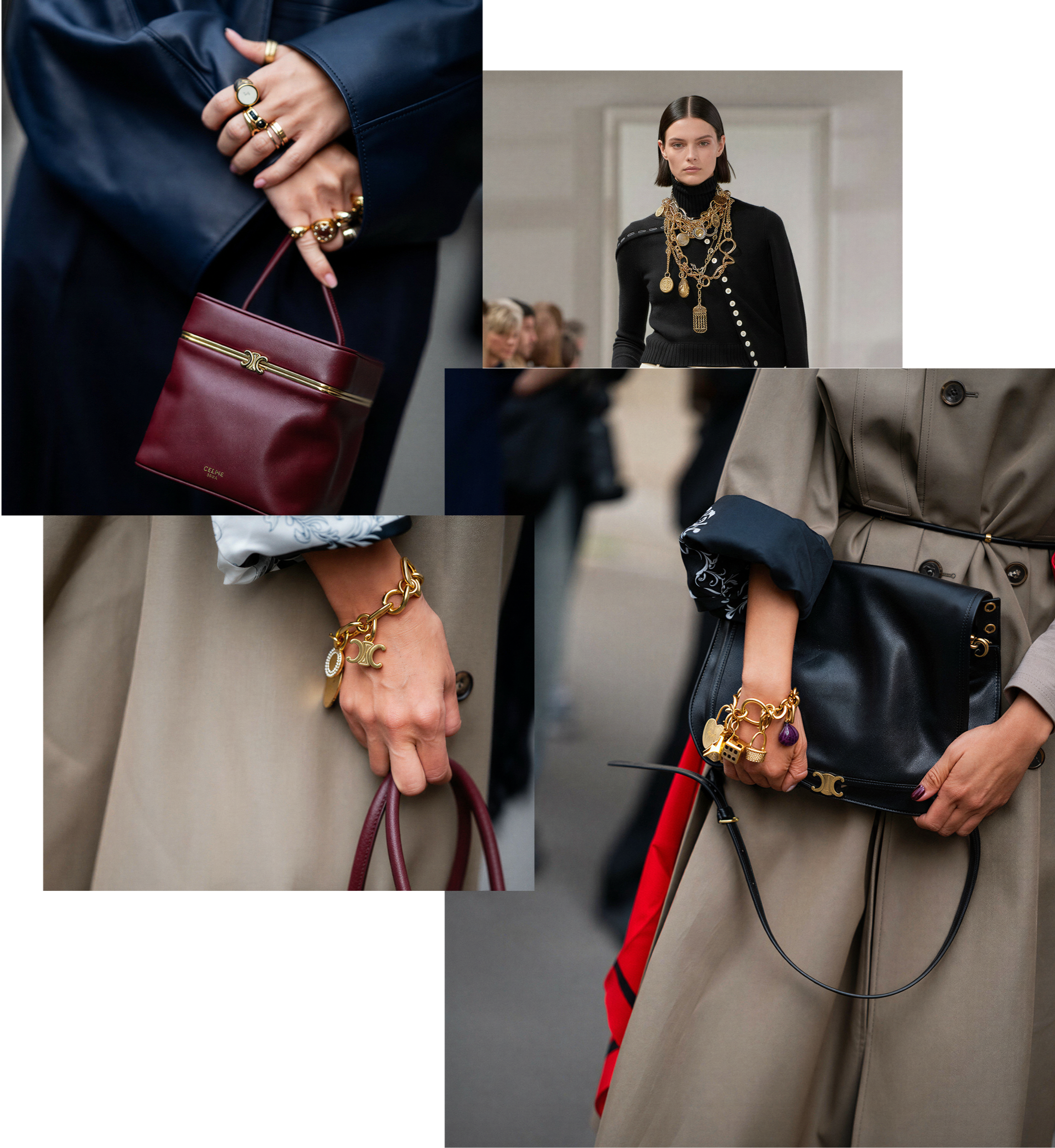
After years dominated by minimalism, fashion is rediscovering a very specific kind of gold.
Not statement jewelry.
Not layered chains.
Not maximalist accessories.
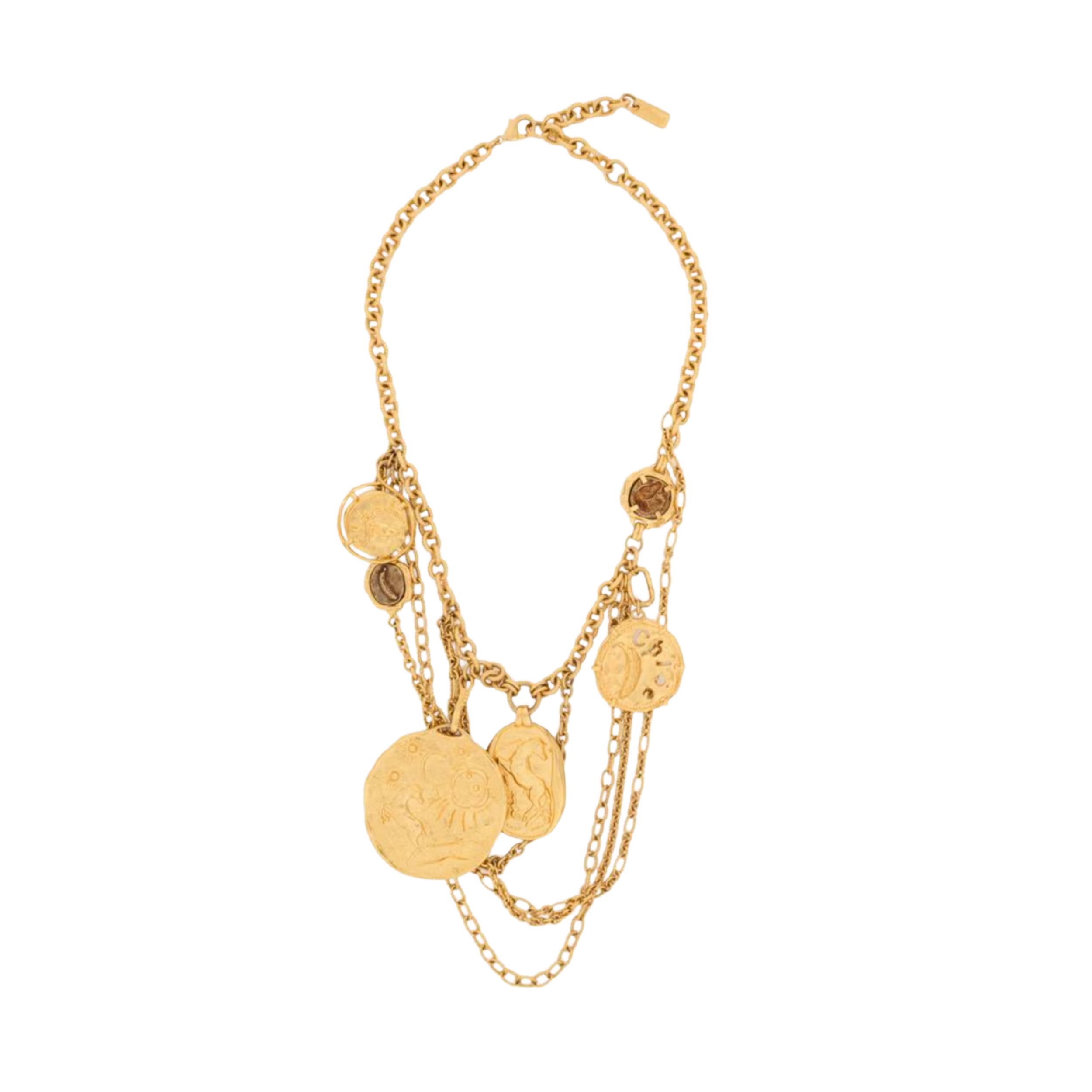
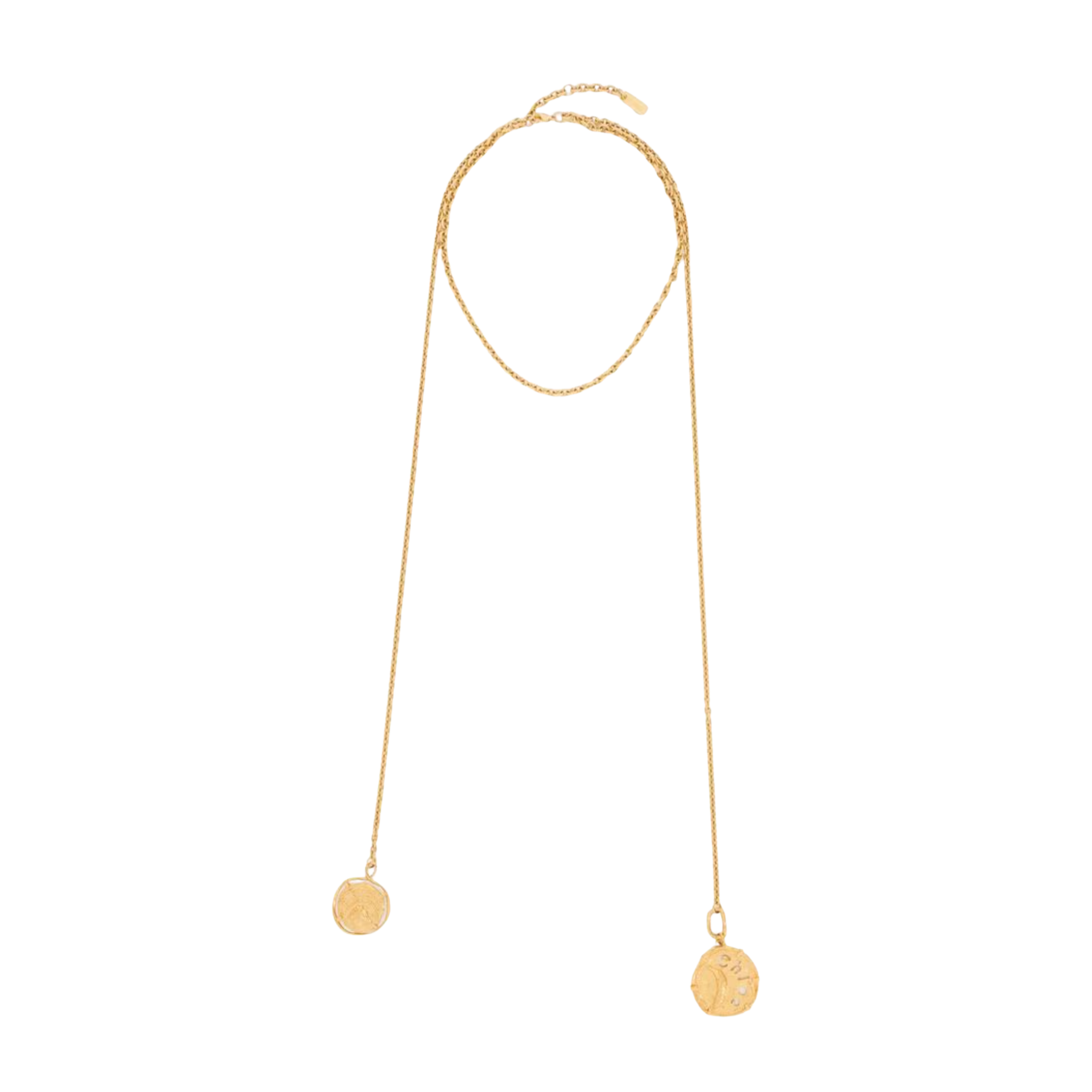
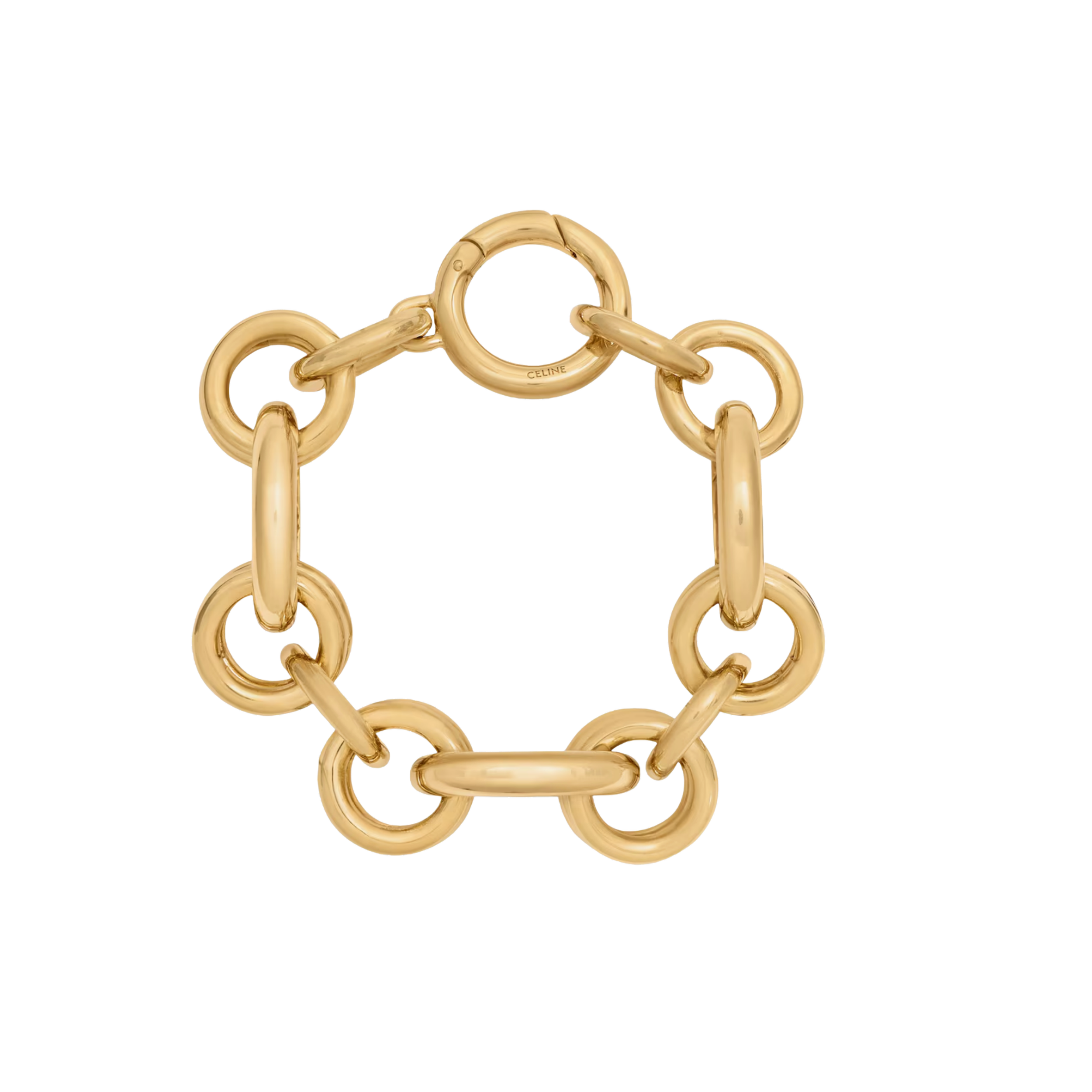
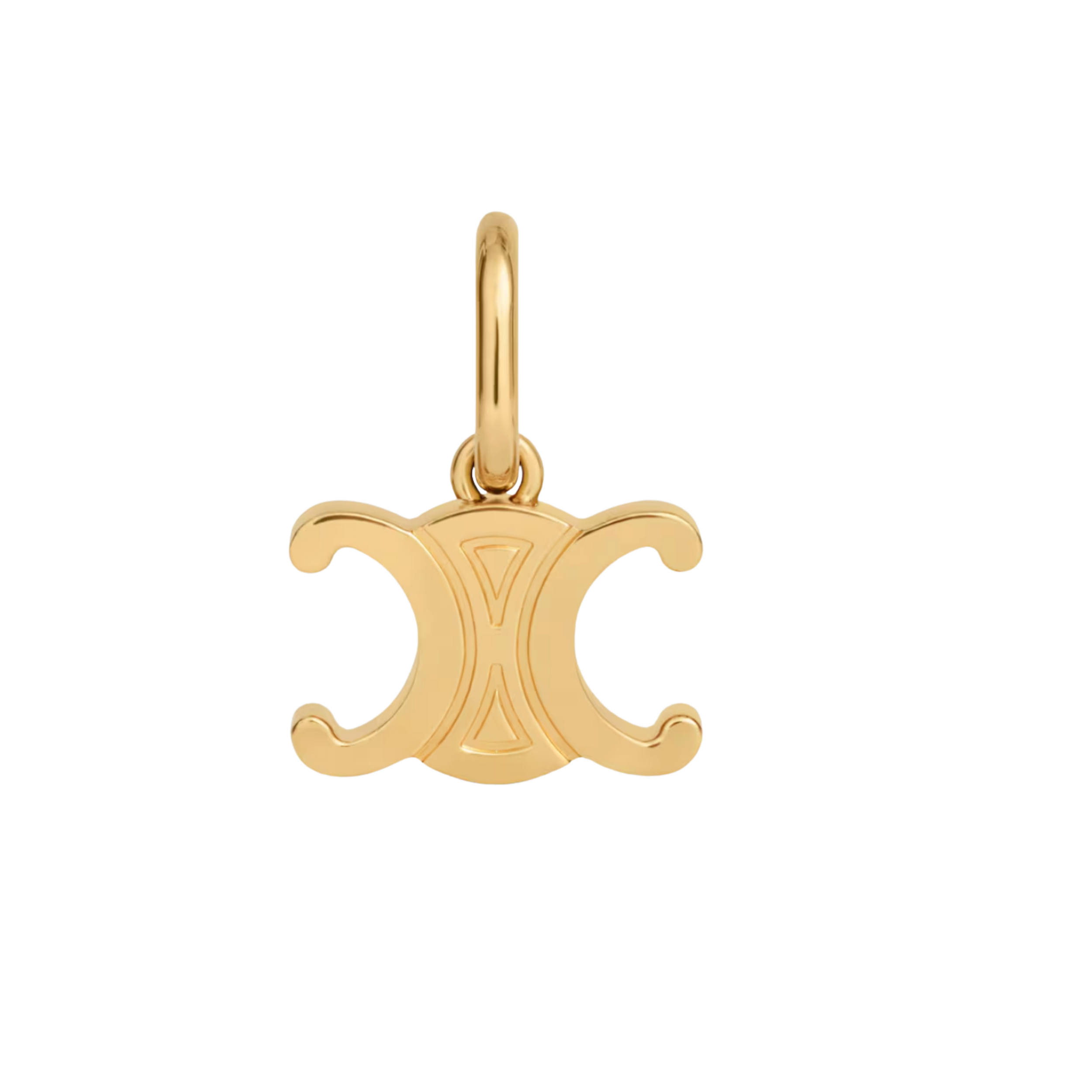
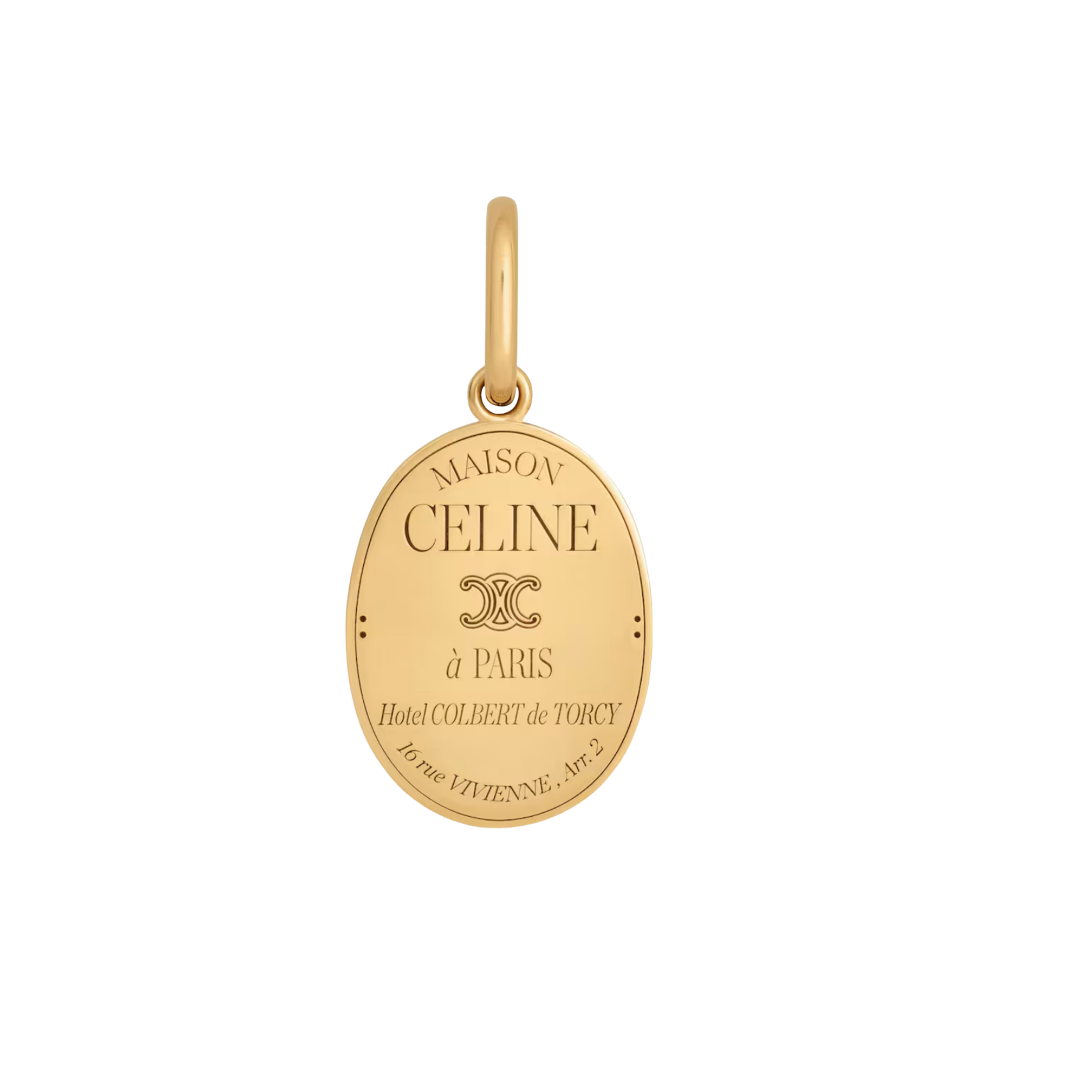
Instead: bourgeois gold — small metal signals embedded into otherwise restrained pieces. Celine’s recent collections made the shift particularly visible and others have now followed suite: signet rings, coin-like buttons, and chunky gold chains evoke a distinctly 1970s French bourgeois wardrobe: utterly proper and quietly authoritative.
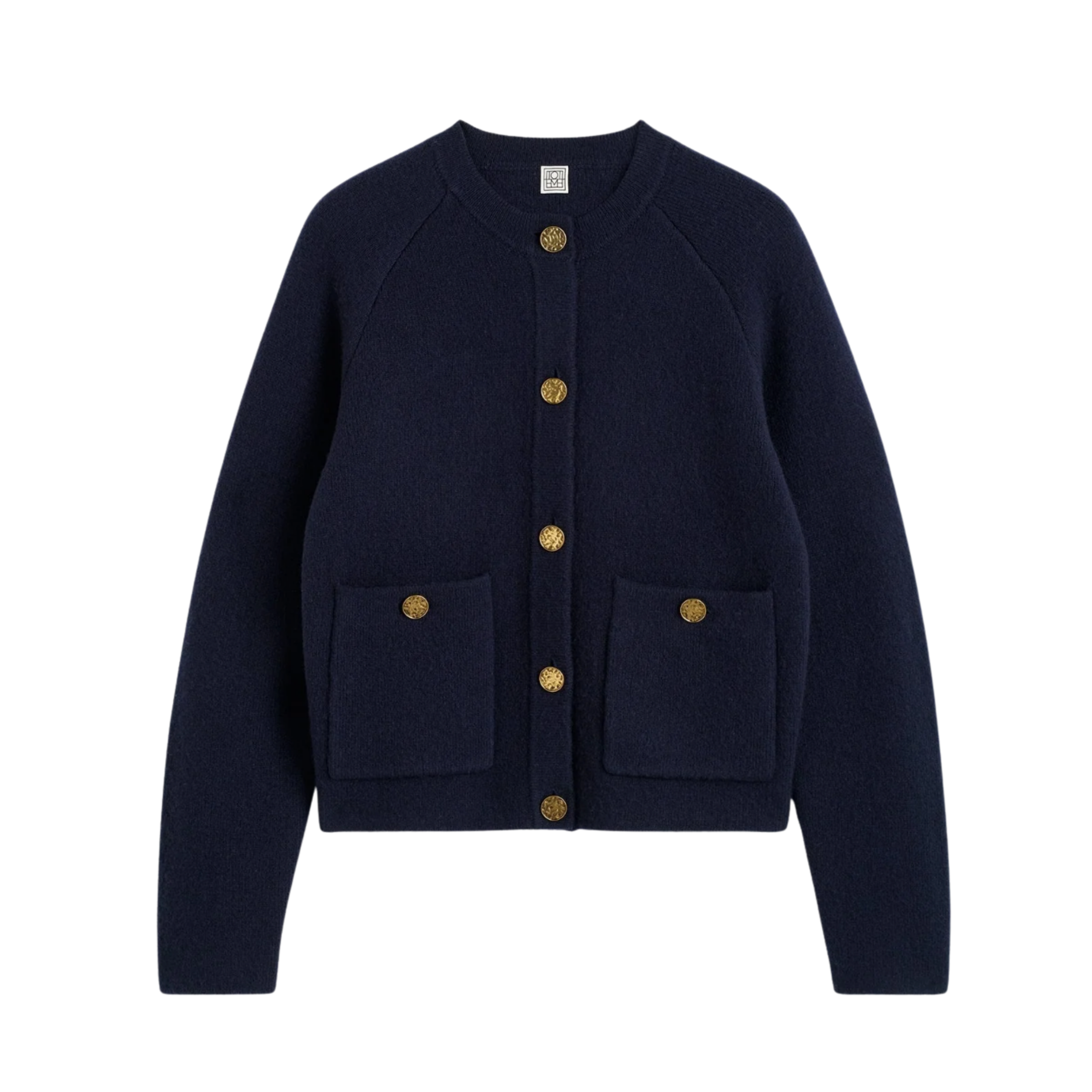
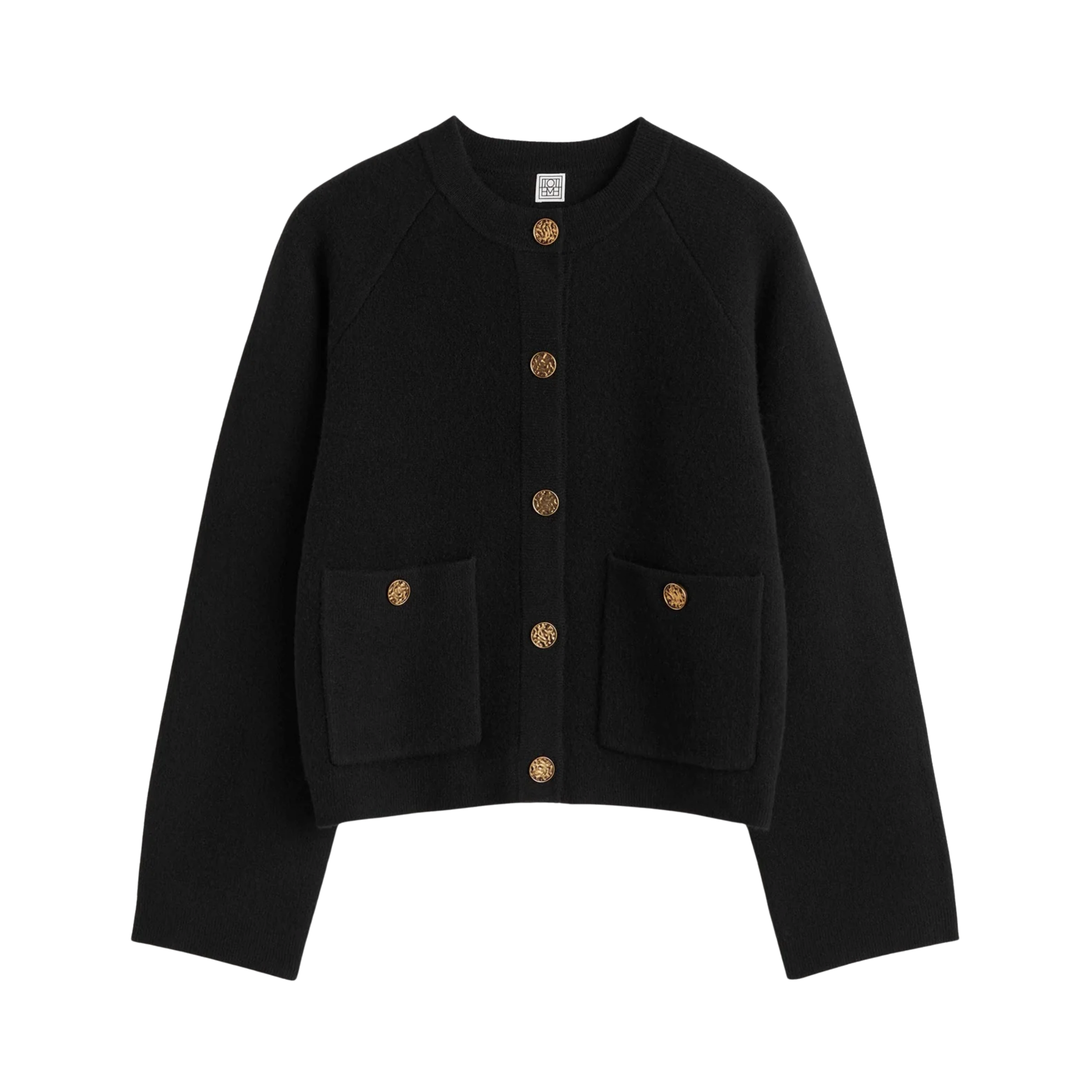
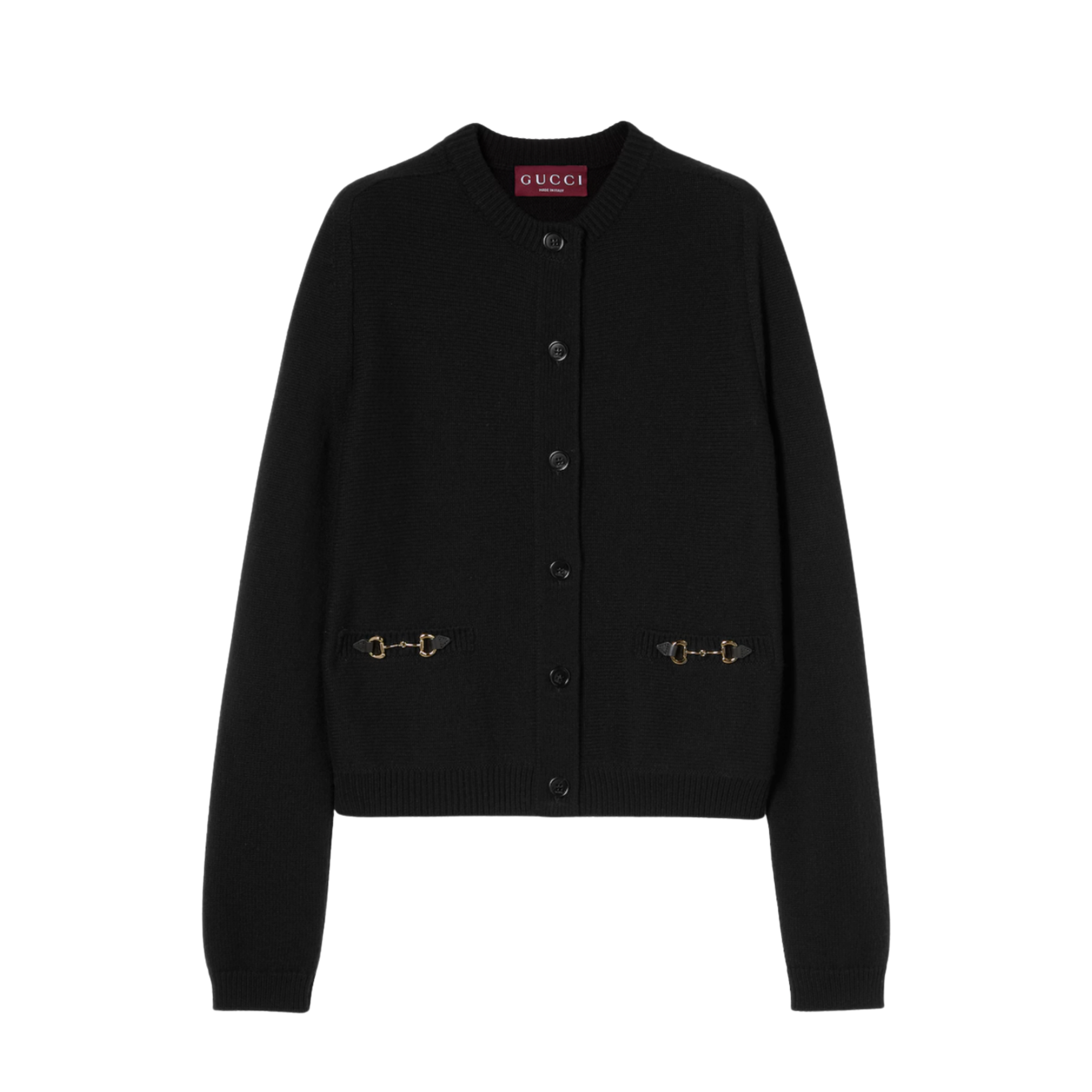
The classic example is the signet ring, often worn on the pinky. Unlike fashion jewelry, it reads as something permanent — an object you wear every day rather than something added for an outfit. The same logic appears in clothing. Cardigans fastened with coin buttons, or knitwear punctuated by equestrian hardware, integrate gold directly into the structure of the garment. The metal becomes part of the architecture of the piece rather than an accessory layered on top. Even accessories follow the same pattern. Horsebit details on shoes or bracelets reference equestrian traditions that have long been associated with bourgeois dress codes.
Across these pieces — rings, buttons, buckles, hardware — the gold performs the same function: it creates a small but recognizable signal. After years of ultra-clean minimal wardrobes, fashion is rediscovering that power dressing often relies on subtle codes. Sometimes authority is communicated not through the silhouette of an outfit, but through the smallest detail.
A ring.
A button.
A clasp.
Sometimes that’s all it takes.
This explains why the trend translates so well to professional settings. The clothing itself can remain conservative — blazers, cardigans, straight trousers — while the gold adds a small element of intention. The outfit stays disciplined, but no longer reads automatic.
Shop the Edit
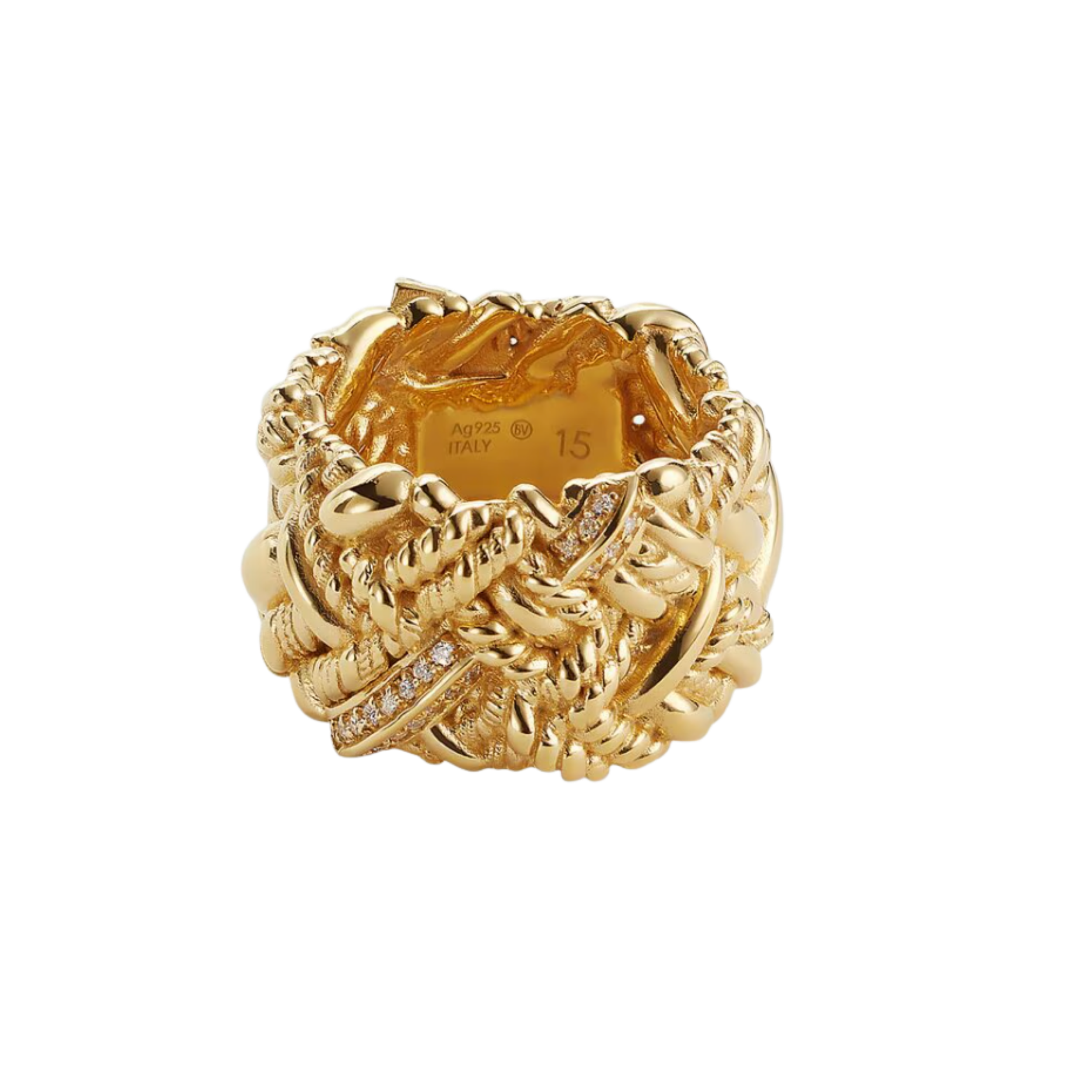
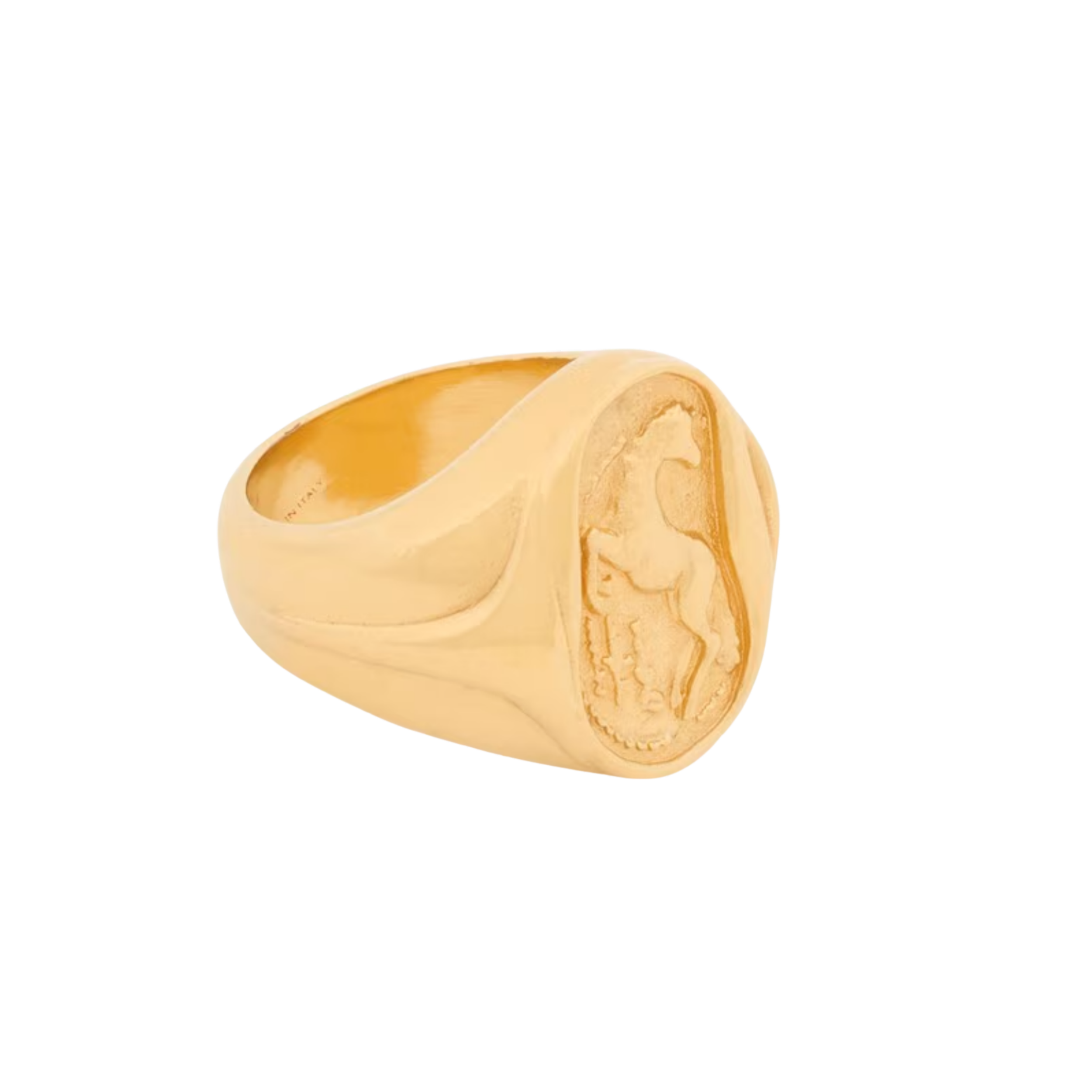


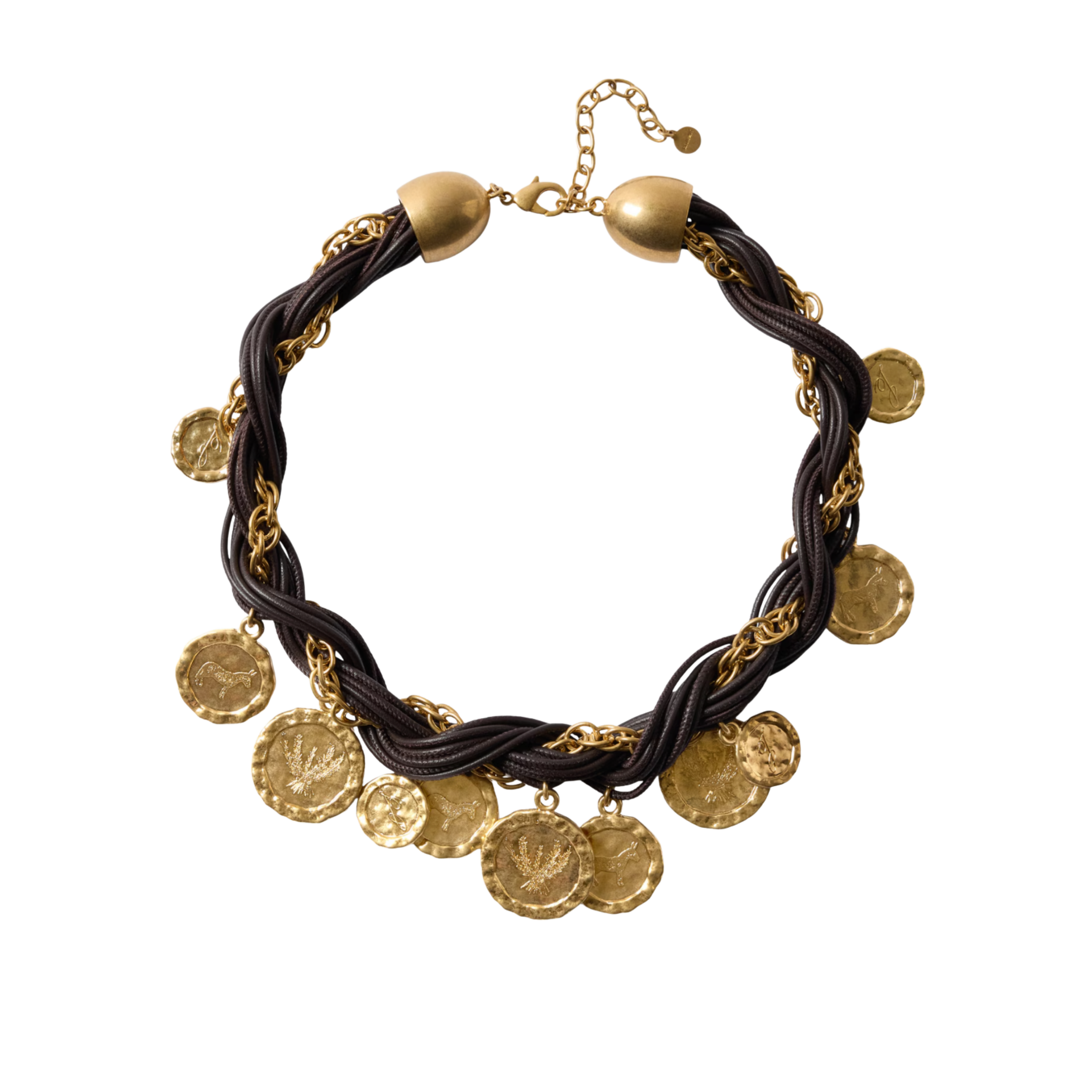


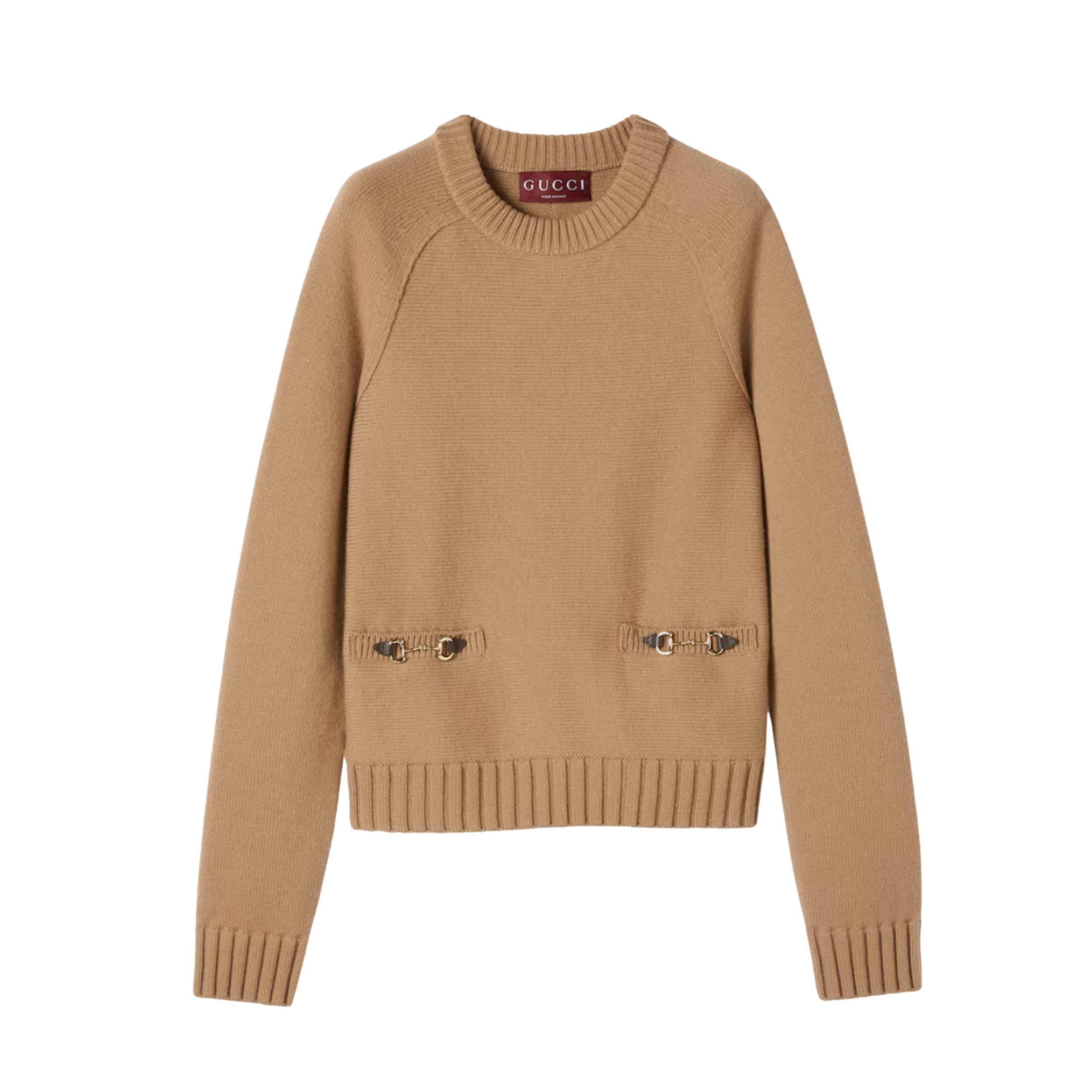
-
KSF
✓ Choose gold pieces with heritage codes. Signet rings, coin buttons, medallions, and horsebit hardware all work.
✓ Let one gold element anchor the outfit. Start with a clear focal point — a coin-button cardigan, a signet ring, or horsebit pumps — and build the rest of the look around it.
✓ Cluster gold rather than scattering it. If stacking, keep the gold in one zone (hands, neckline, or garment hardware). There may be very light touches elsewhere (eg. a belt buckle) but spreading gold across the body quickly becomes busy.
✓ Pair gold with disciplined tailoring. These pieces work best with streamlined silhouettes: structured blazers, sharp cardigans, straight trousers, or midi skirts. The gold should punctuate a composed outfit, not compete with it.
Deal Breakers
❌ Avoid shine. Gold should look slightly muted, brushed, or antique. Highly polished or mirror-like metal will look cheap.
❌ Avoid oversized hardware. Large buckles, giant logos, or exaggerated metal details quickly become statement pieces rather than subtle signals.
❌ Avoid mixing too many families of motifs. Stacking works best when pieces share the same vocabulary — signets with chains, coins with coin buttons. Combining horsebits, crests, and medallions in one look creates visual noise.
