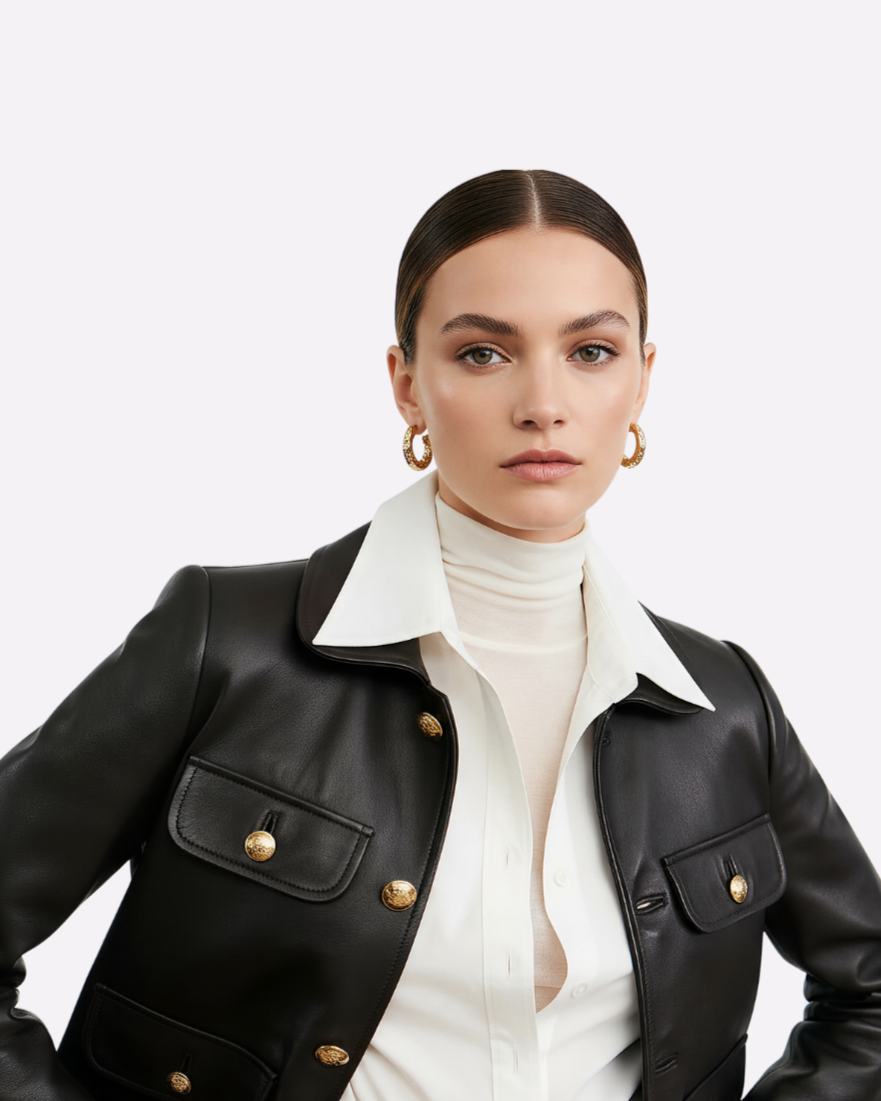
Thin Turtleneck + Shirt, Under Blazer
The Layered Collar Formula

January 10, 2026. Used as a base, the thin knit turtleneck structures the neckline. Layering a shirt over it — then a blazer — creates a deliberate disruption at the collar.
Done precisely, this reads intentional and controlled.
Done loosely, it collapses into visual clutter.
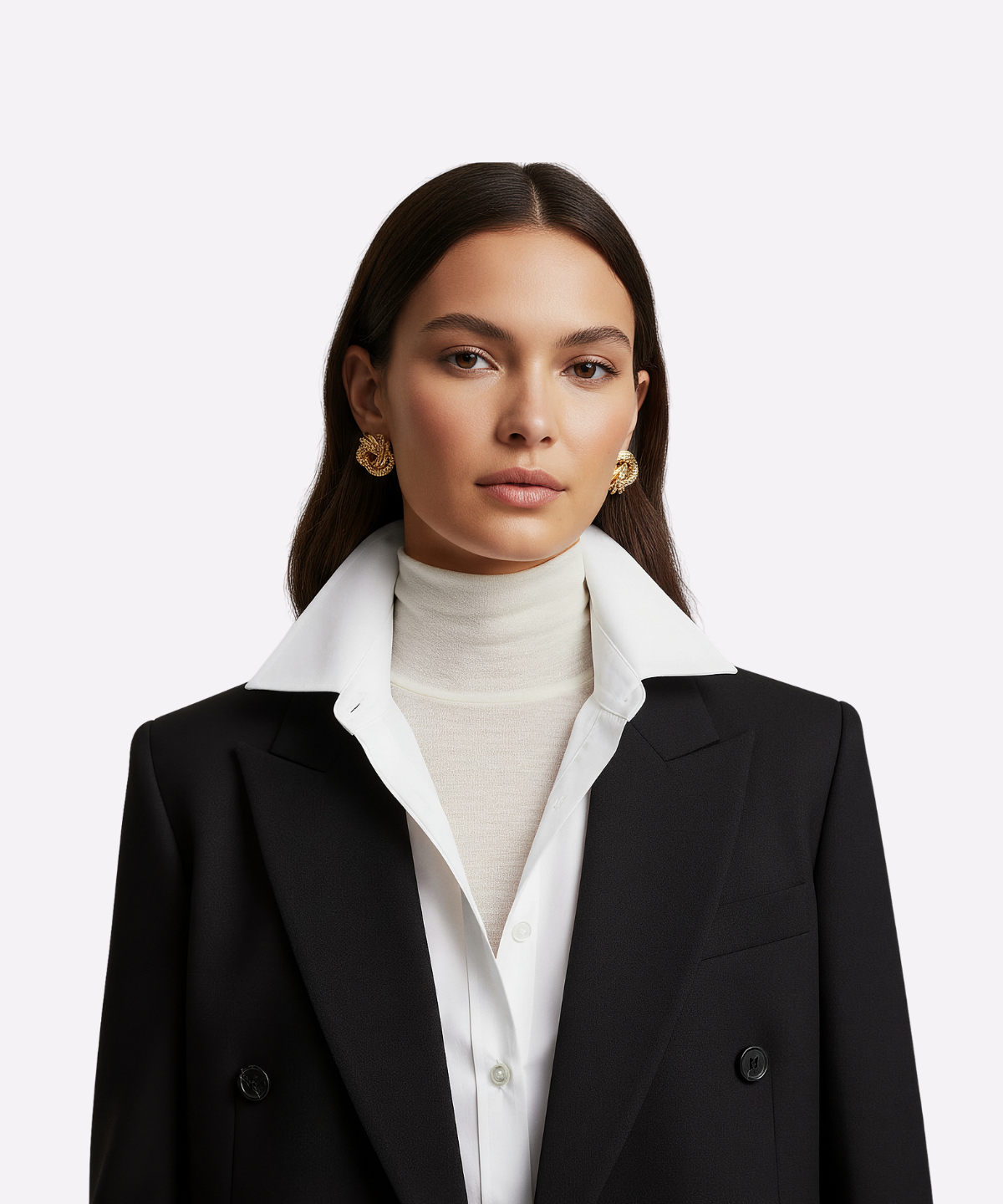
The formula
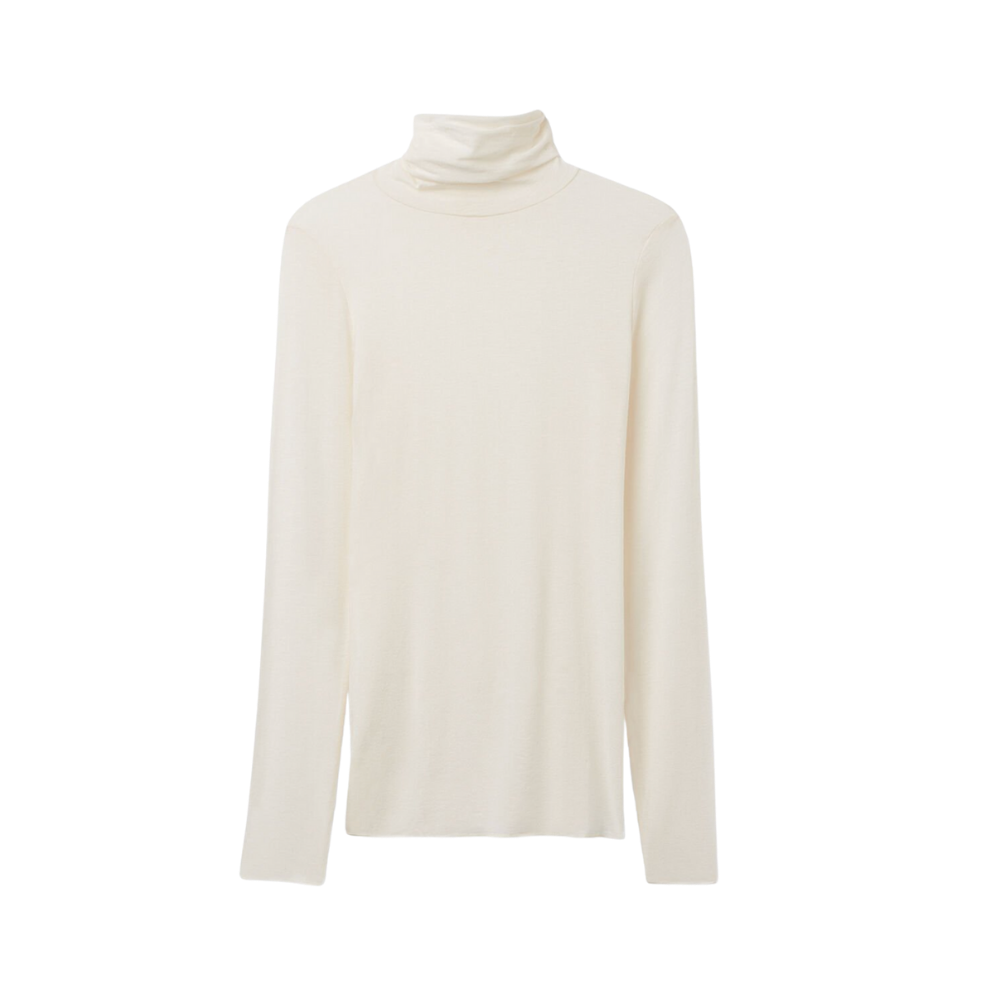
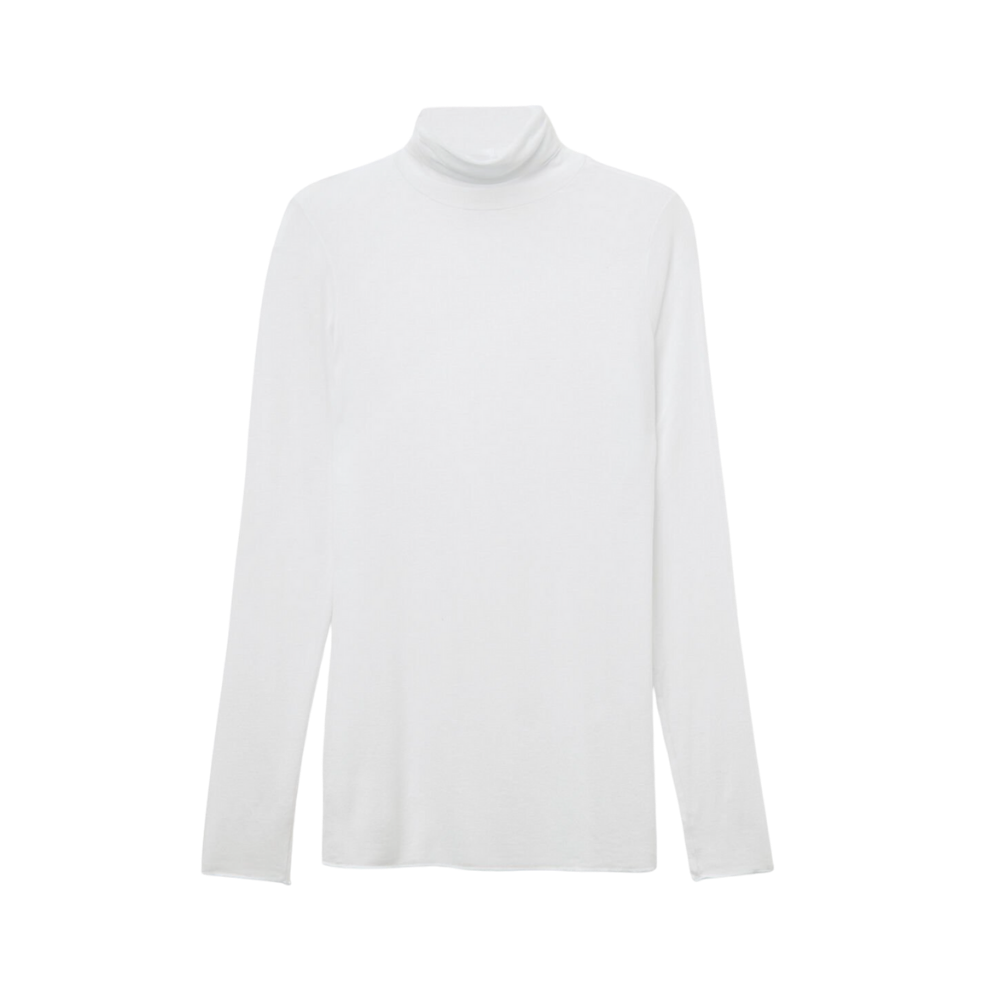
1. Thin turtleneck, locking the neckline.
Second-skin thin gauge fit turtleneck, clean neckline, neutral color, no bulk. The turtleneck is not a layering piece here — it is control. It holds the neckline in place and removes any softness at the base. If it is too thick, too loose, or disappears under the shirt, the entire structure fails and the look becomes layered rather than controlled.
2. Shirt collar, creating controlled disruption.
Worn over the turtleneck, the shirt introduces tension at the collar — but only if it holds its shape. The collar must be crisp enough to sit slightly off the expected line. If it collapses or reads too relaxed, the effect is lost and the layering starts to look incidental rather than deliberate.
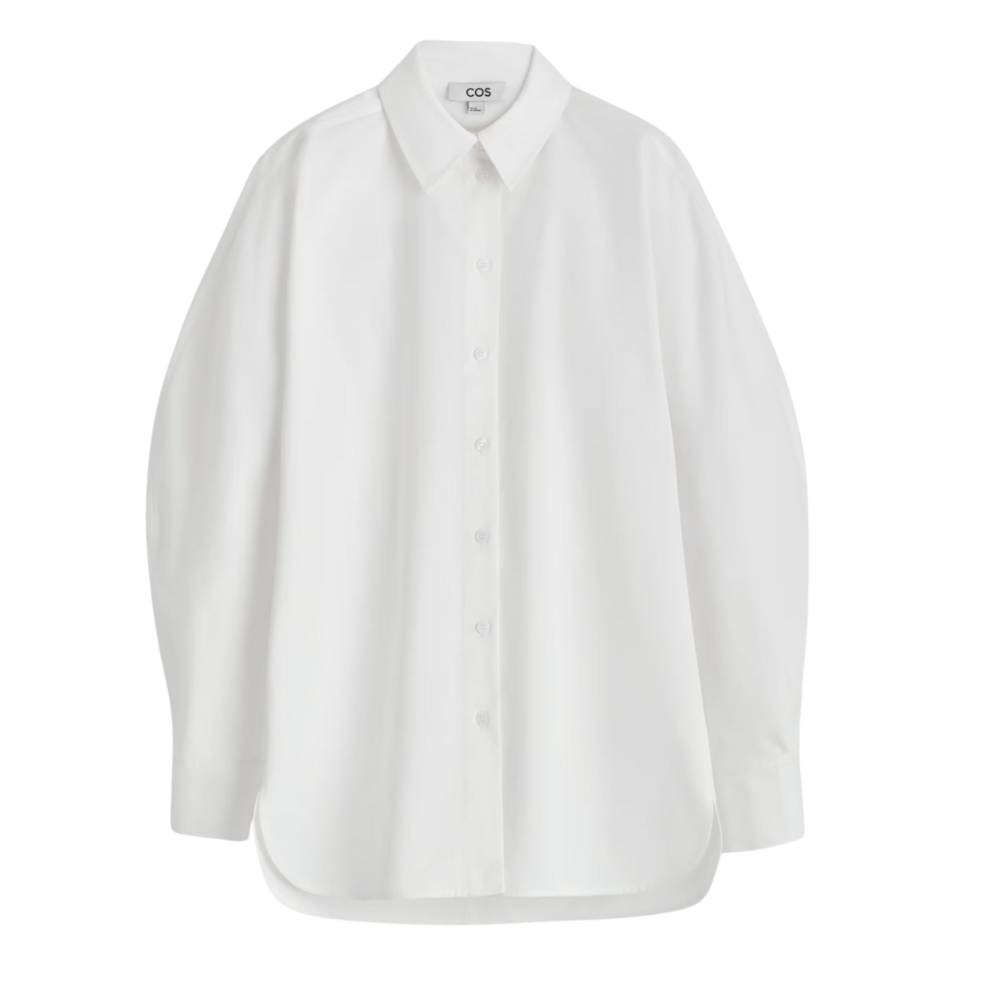
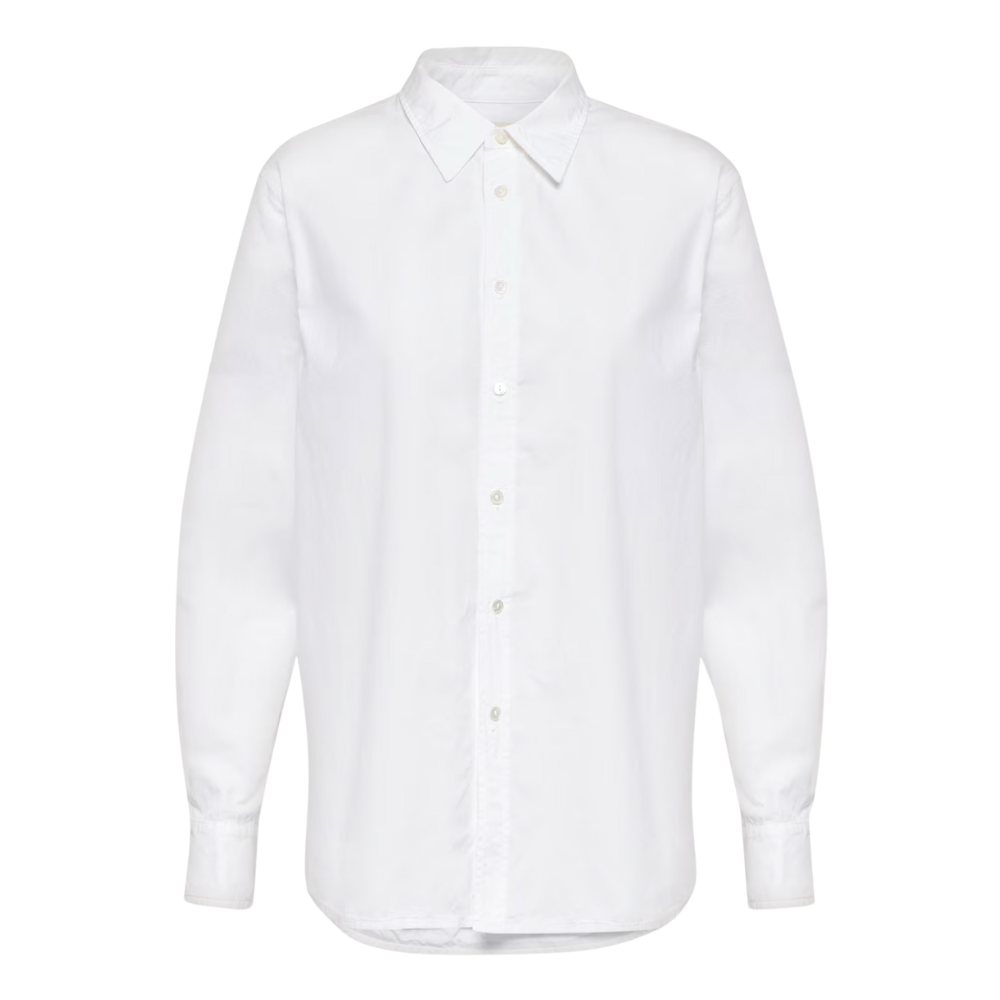
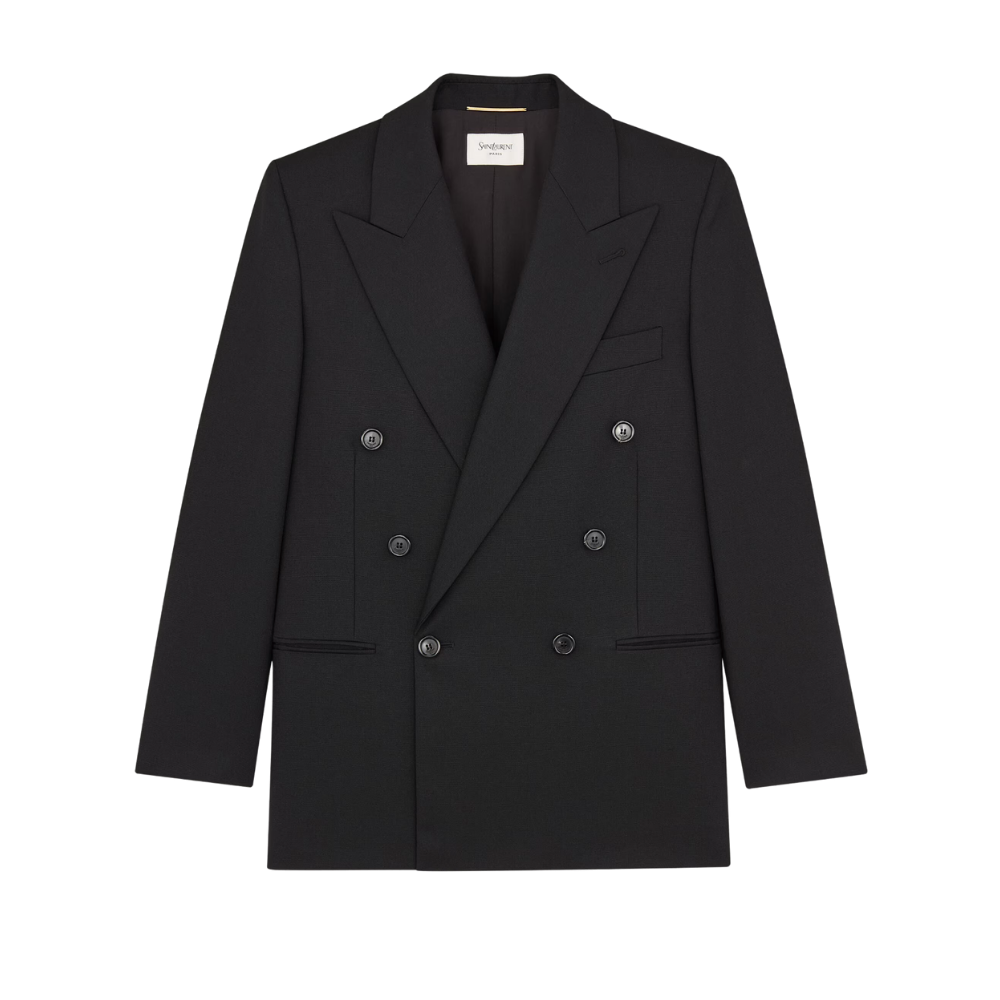
3. Tailored blazer, restoring structure.
This is where the look either sharpens or falls apart. A clean, structured shoulder pulls everything back into alignment and prevents the layered neckline from reading experimental. Without that structure, the upper half becomes visually busy and loses authority.
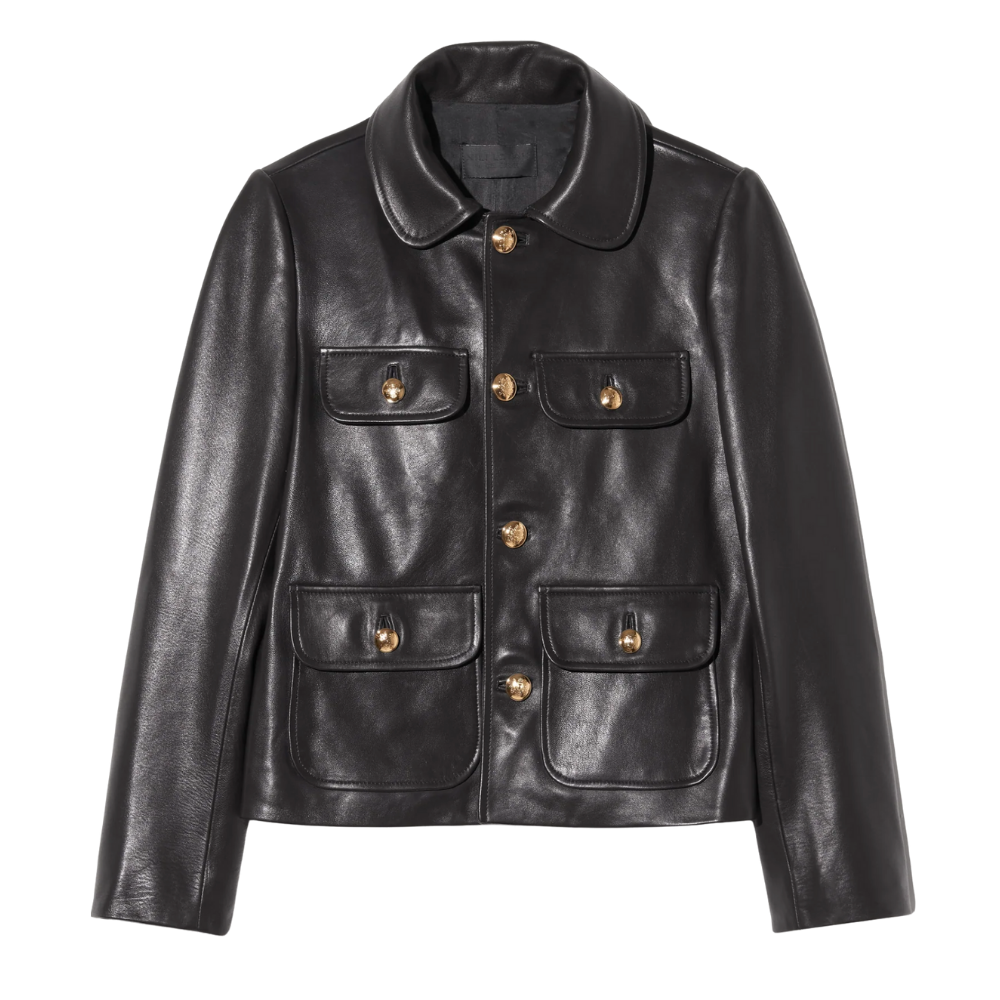
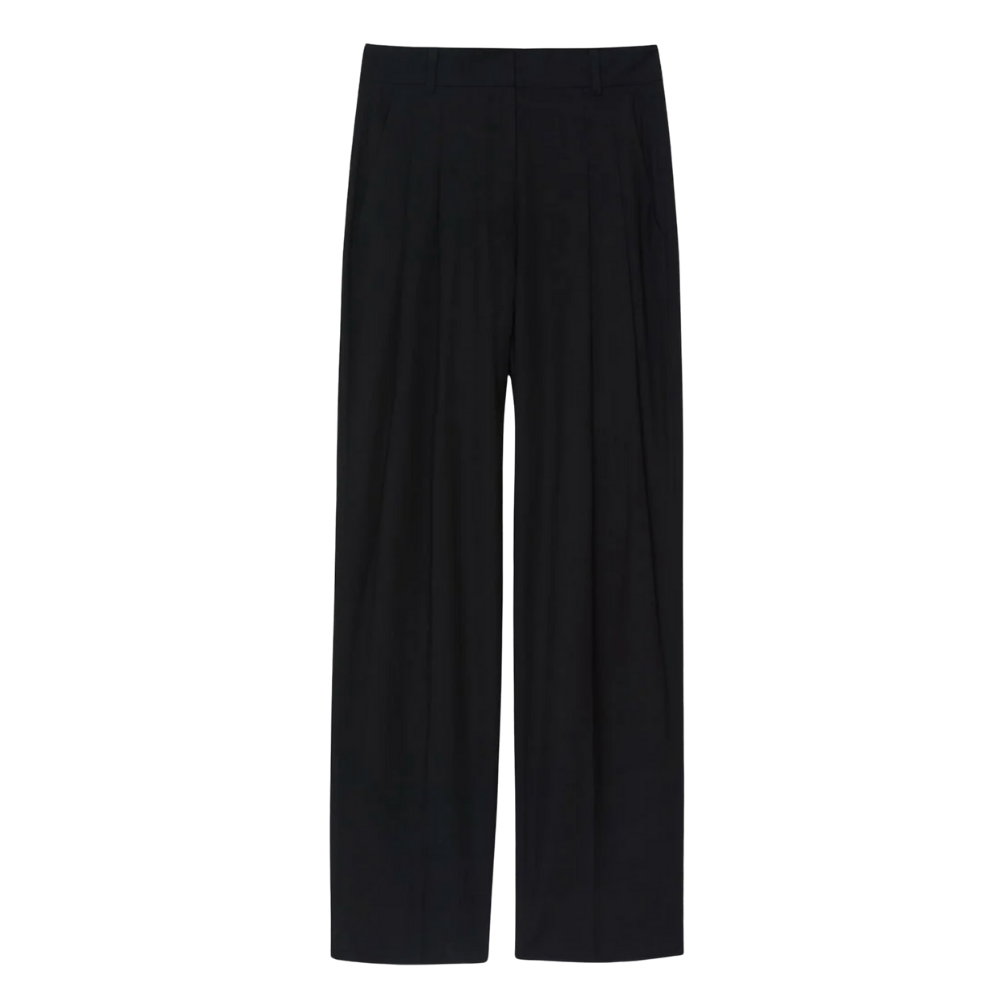
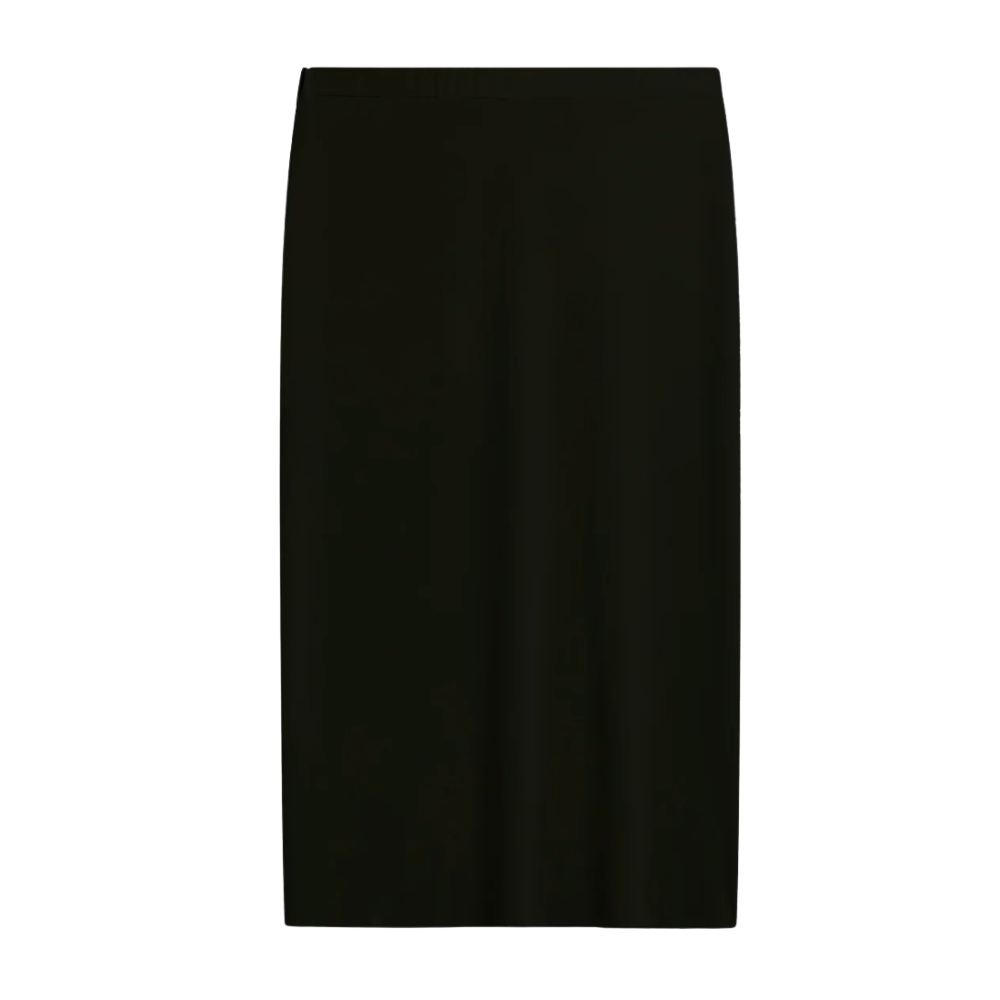
4. Straight bottom, maintaining vertical control.
Full-length trousers or a pencil skirt— nothing that interrupts the line. The role here is not aesthetic, it is corrective. It stabilizes the complexity above. If the bottom introduces movement or volume, the entire look tips into styling rather than control.
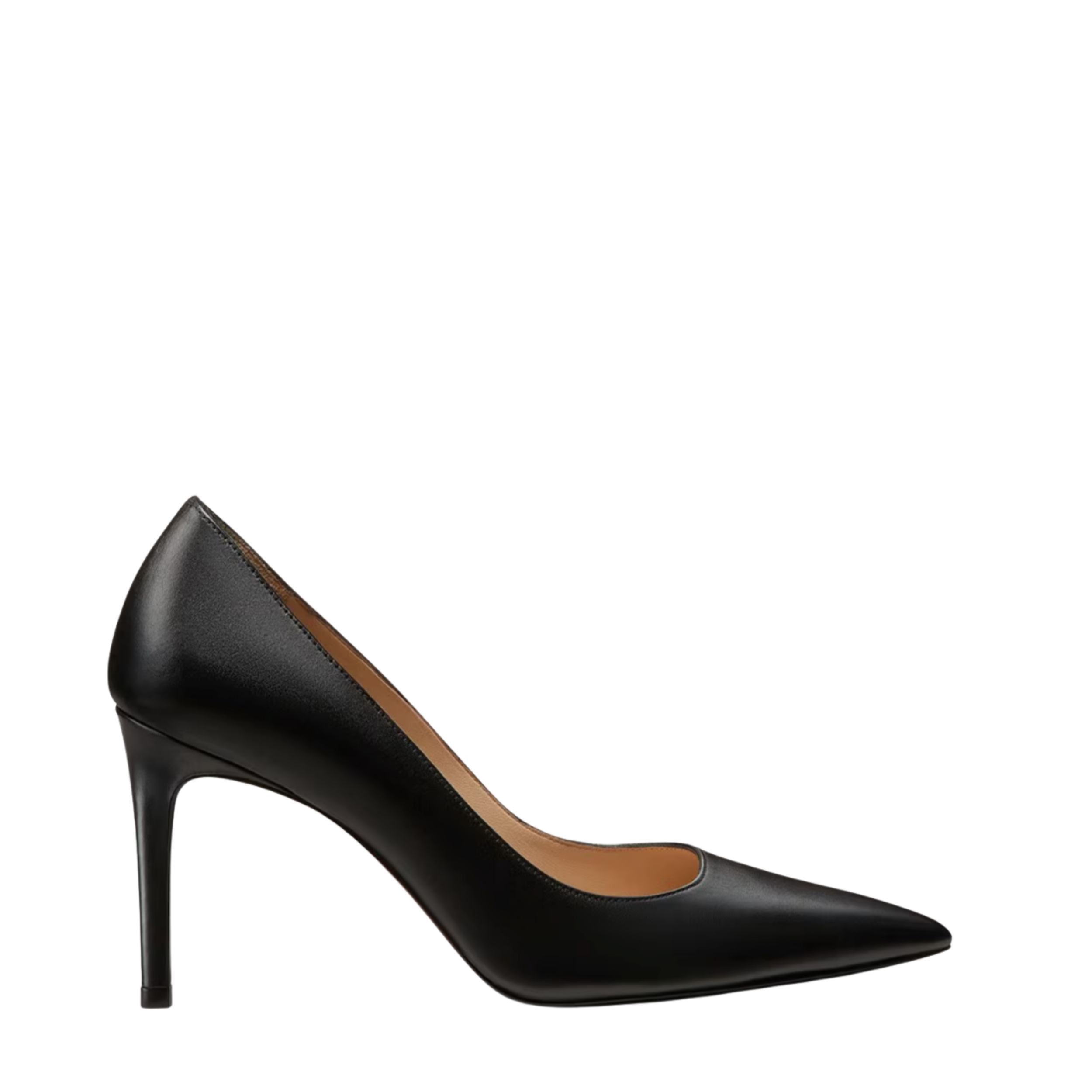
5. Pointed pumps, anchoring the line.
The tension introduced at the collar needs to resolve somewhere. This is where it lands. A pointed pump or a clean, narrow boot extends the line and keeps the look precise. Rounder shapes or soft footwear dilute the effect and make the outfit feel unresolved.

Best For:
First client meetings where classic tailoring alone would feel too predictable.
External meetings with a creative or strategic component
Industry-facing settings where you need to signal range without losing control.
Settings where visibility matters, but full formality would feel rigid.