Turtleneck as Visible Underlayer
Not Your “Too Busy to Have Style” Turtleneck.
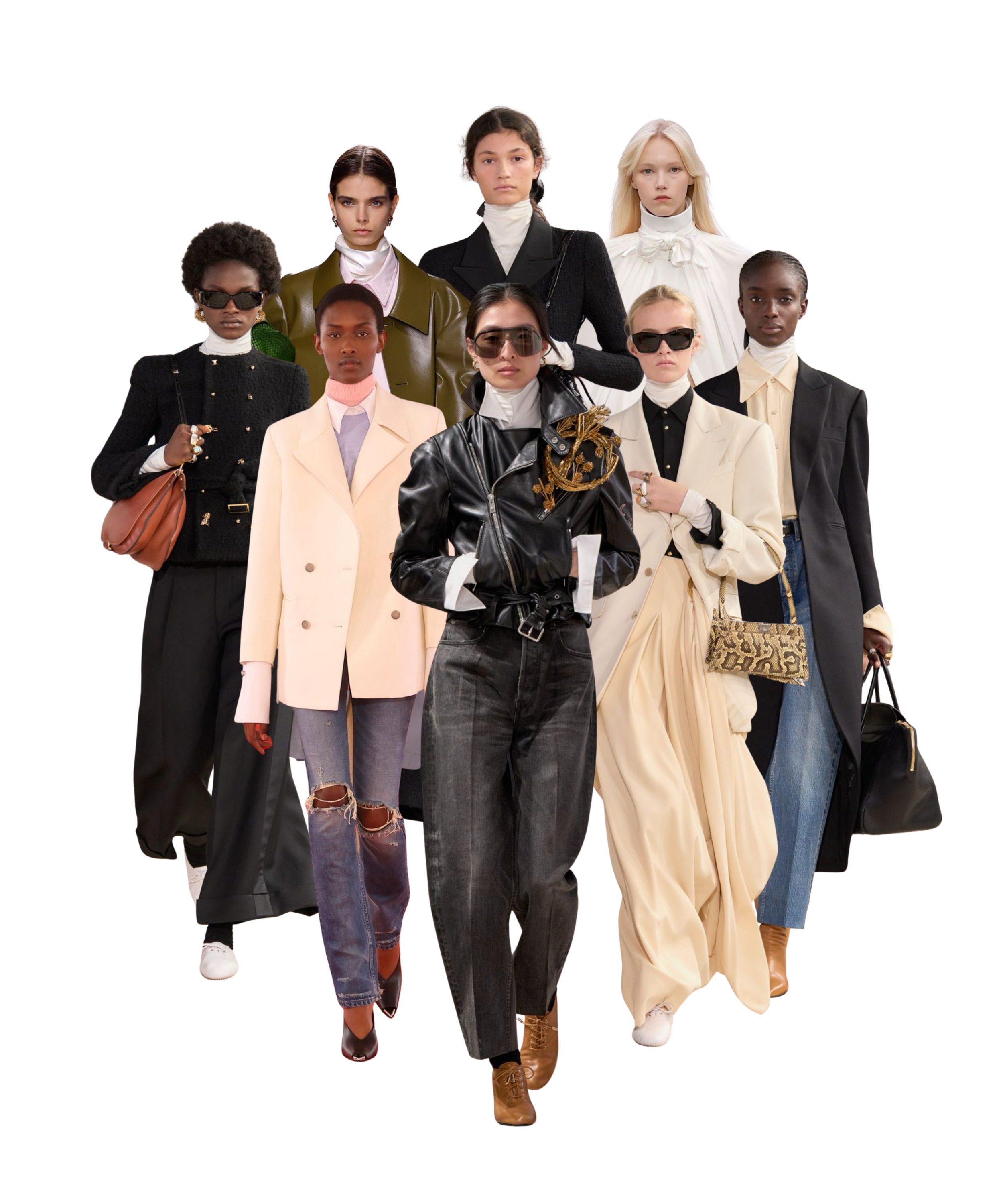
From left, clockwise, from SS2026 runways: Celine, Bottega Veneta, Celine, Dior, Bottega Veneta, Celine, Celine, Brandon Maxwell.
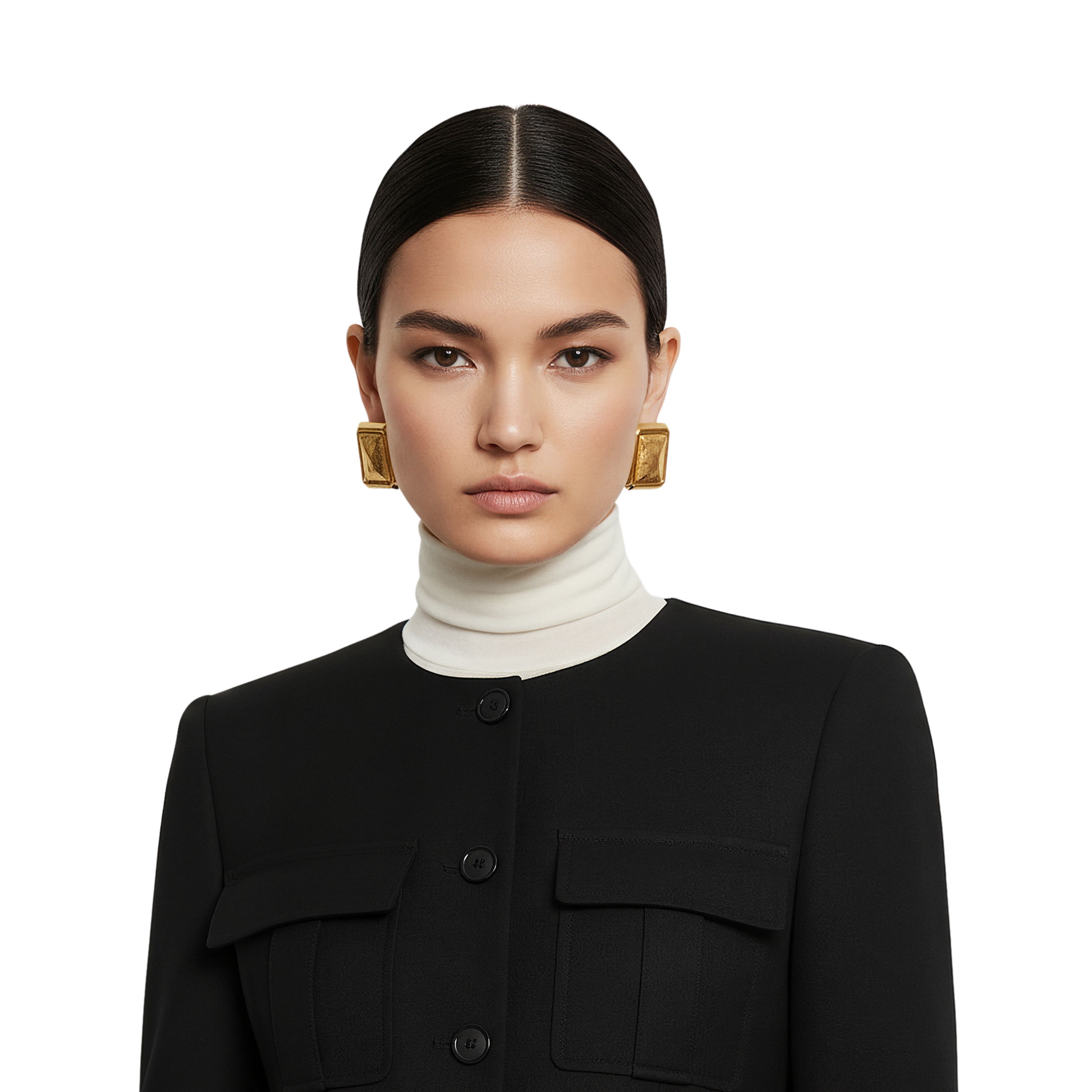
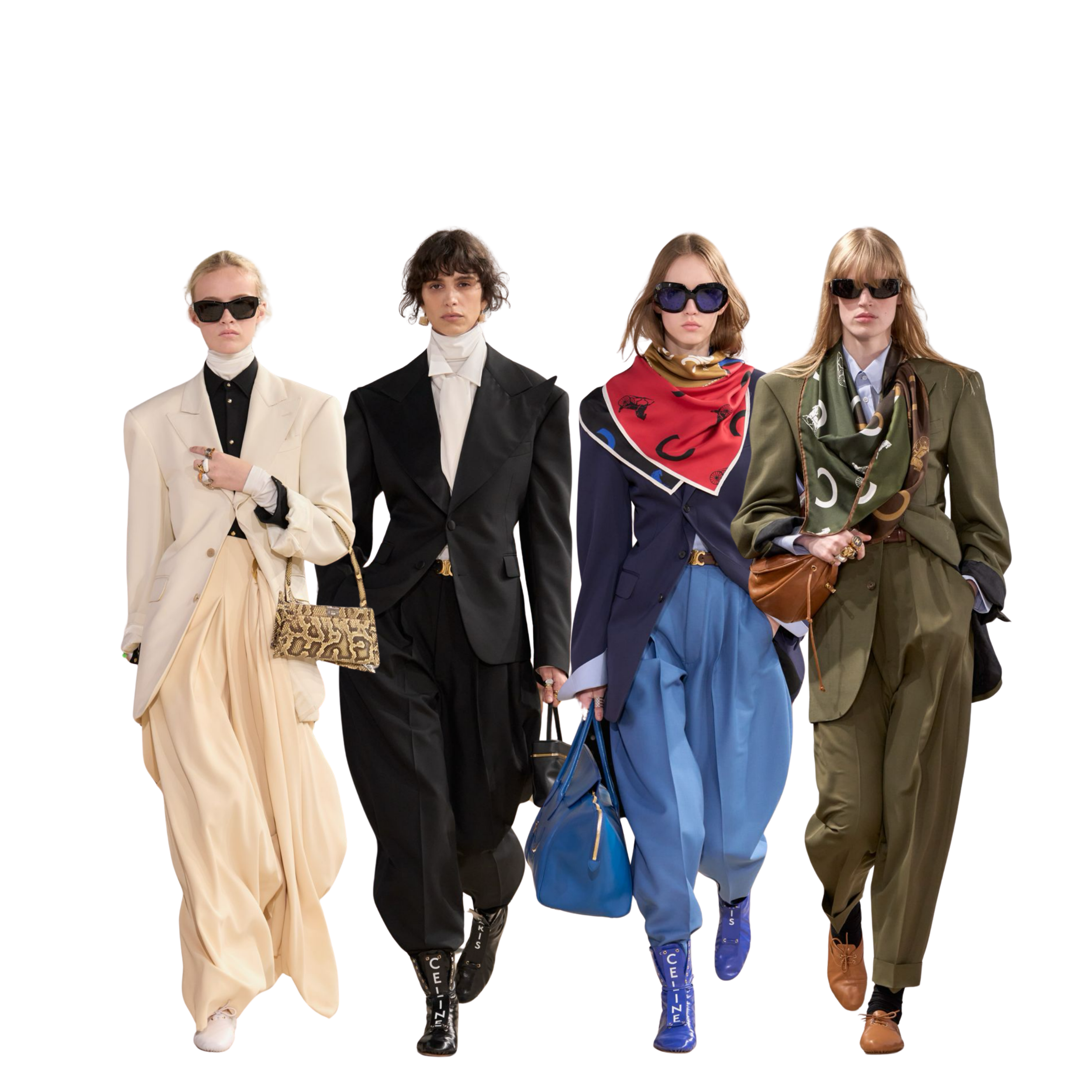
January 8, 2026. The turtleneck has historically belonged to a very specific territory: the non-conformist uniform of people who were supposedly too smart, too busy, or too important to bother with fashion. Think intellectual rigor, self-imposed repetition — and, at its most extreme, the turtleneck as persona (Elizabeth Holmes). SS26 pulls the turtleneck decisively out of that territory. This season, it’s not a seasonal cozy knit or a fallback basic. Across the SS26 runways, designers consistently use the turtleneck as a visible underlayer: exposed, deliberate, and structurally important. It’s not there for warmth (although that helps). It’s there to lock the look together. This makes it one of the most immediately transferable runway trends for work.
Across Dior, Bottega Veneta, Celine, Loewe and Brandon Maxwell, the treatment is consistent:
The turtleneck is always visible, never hidden.
It sits under tailoring, leather, dresses, capes, and outerwear, but said layer is closed close to the neck.
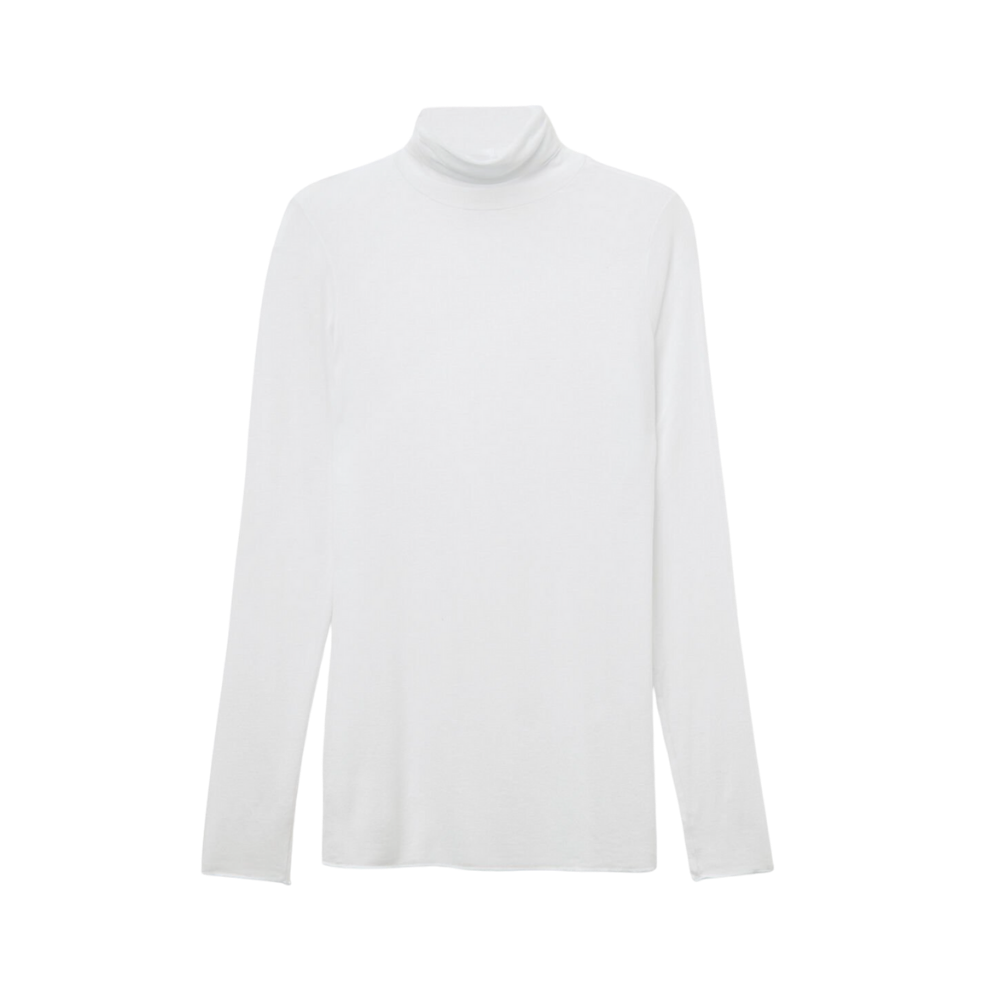
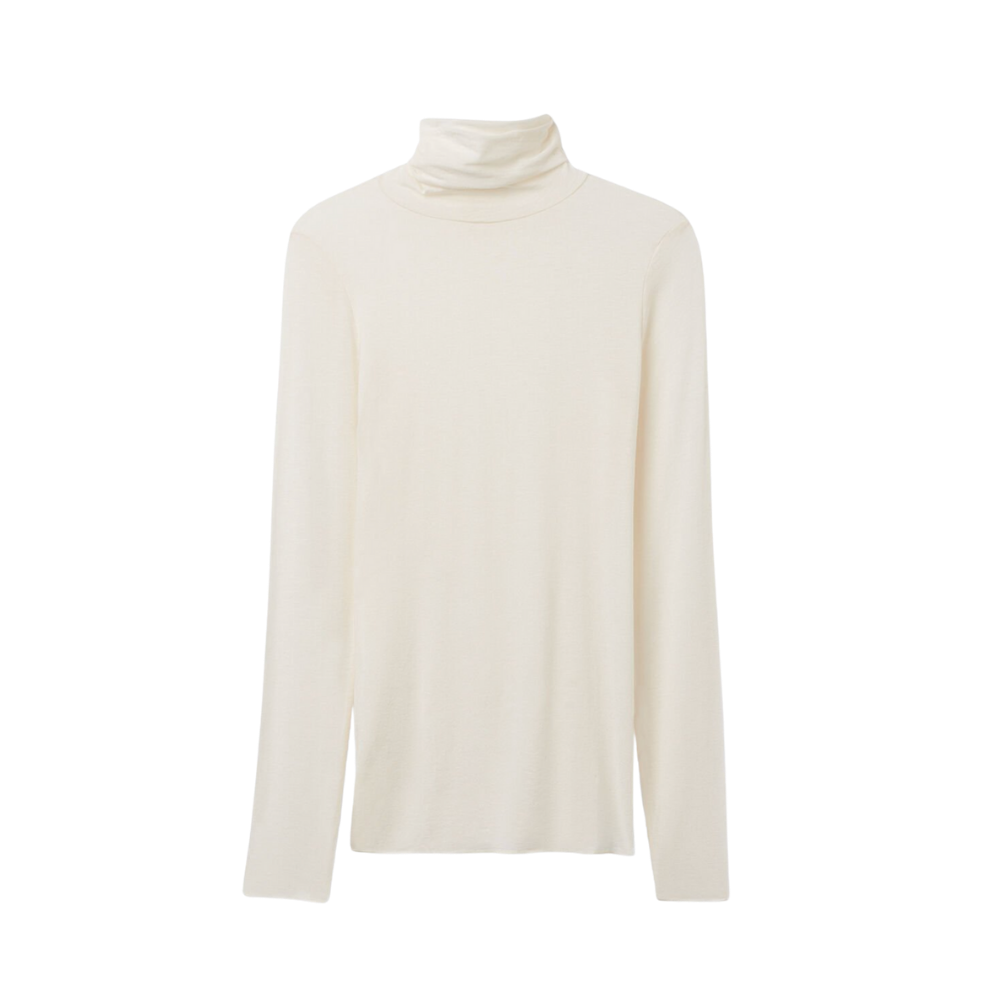
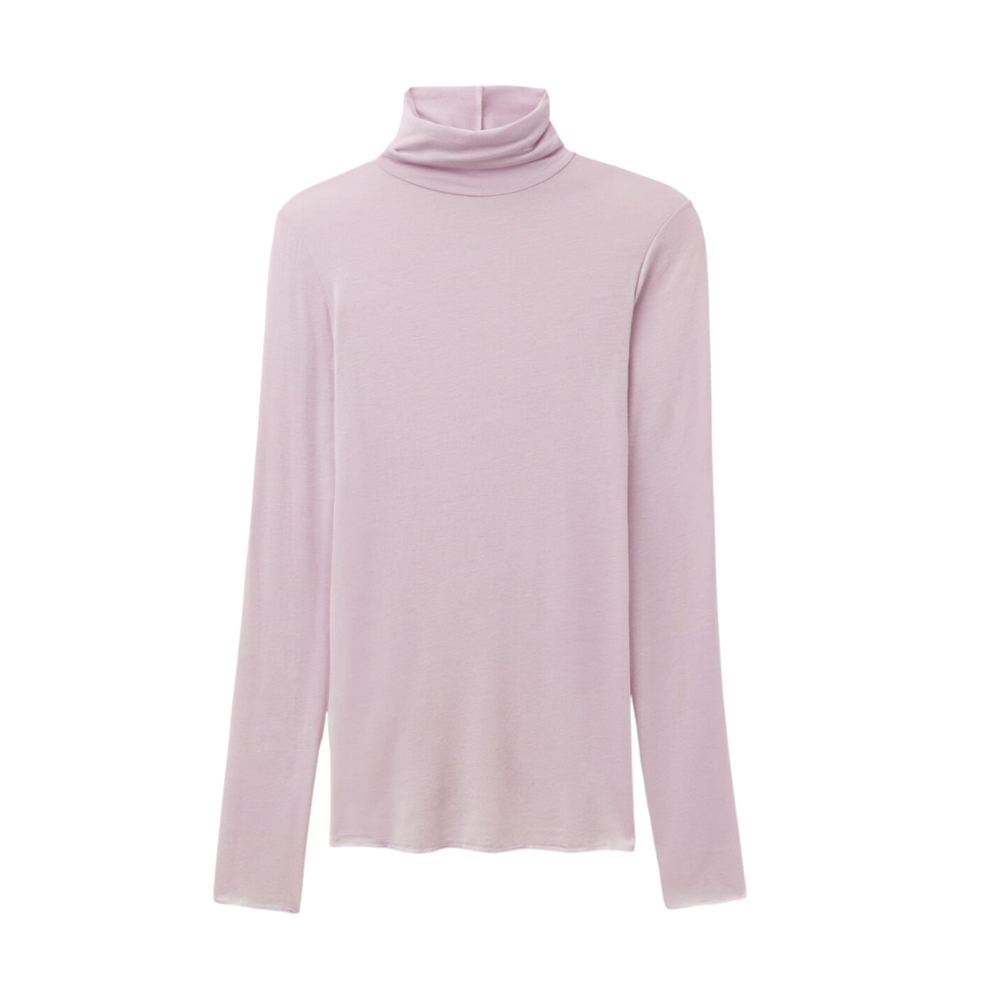
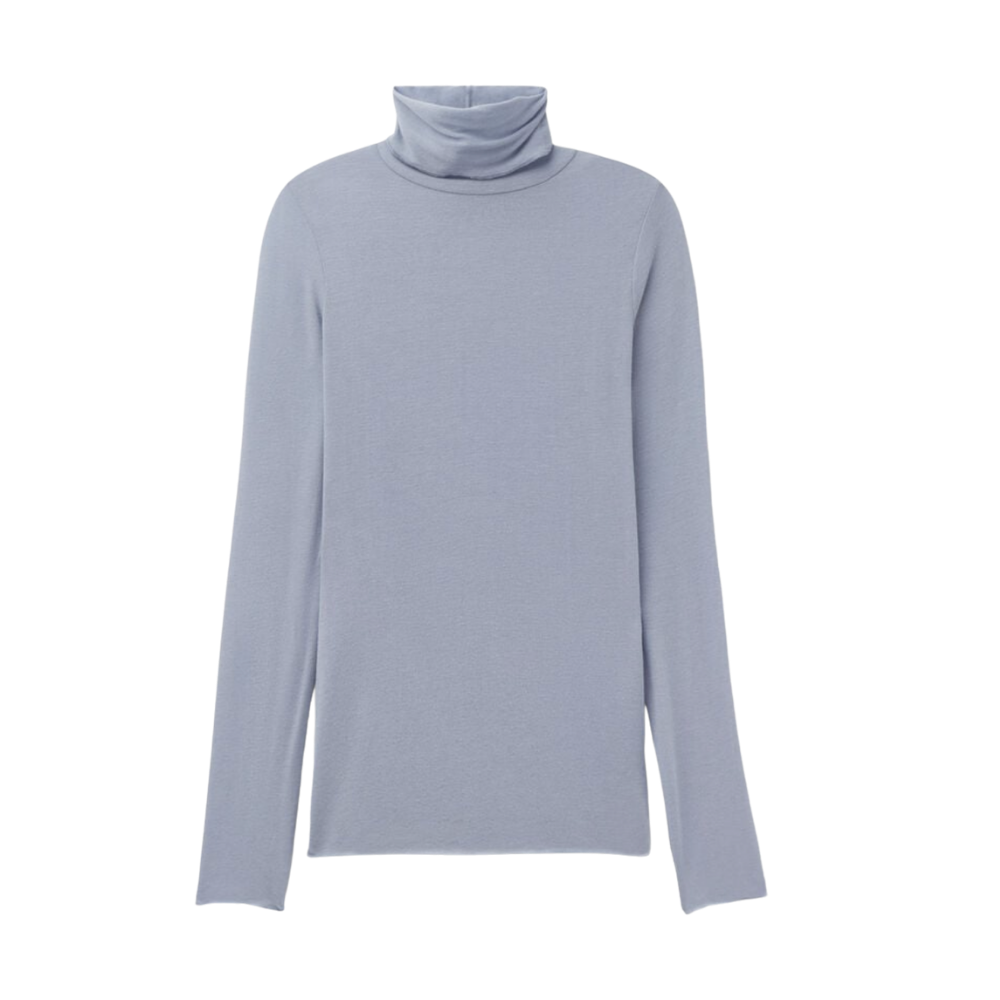
The fabrics are thin and smooth (jersey, silk-knit, fine cotton), not chunky. They read as deliberate, not cozy.
Colors are controlled: white, ivory, black, pale neutrals.
The neckline is clean and uninterrupted.
In other words: The turtleneck is being used as a base layer with visual authority, not a pretext for loosey-goosey vibes.
This trend solves several real authority dressing problems at once:
It creates instant composure. A high, clean neckline immediately sharpens the upper body. No neckline decisions. No styling ambiguity.
It makes outfits more modular. The same turtleneck works under: blazers, shirts, dresses, knitwear. One base layer = multiple professional looks.
It lets you push the rest of the outfit further. Because the neckline is so controlled, you can afford: stronger tailoring, more volume, more texture and more contrast. The turtleneck absorbs visual risk.
It reads intentional, not safe. Worn visibly, it looks styled — not like a default basic. That distinction matters at work.
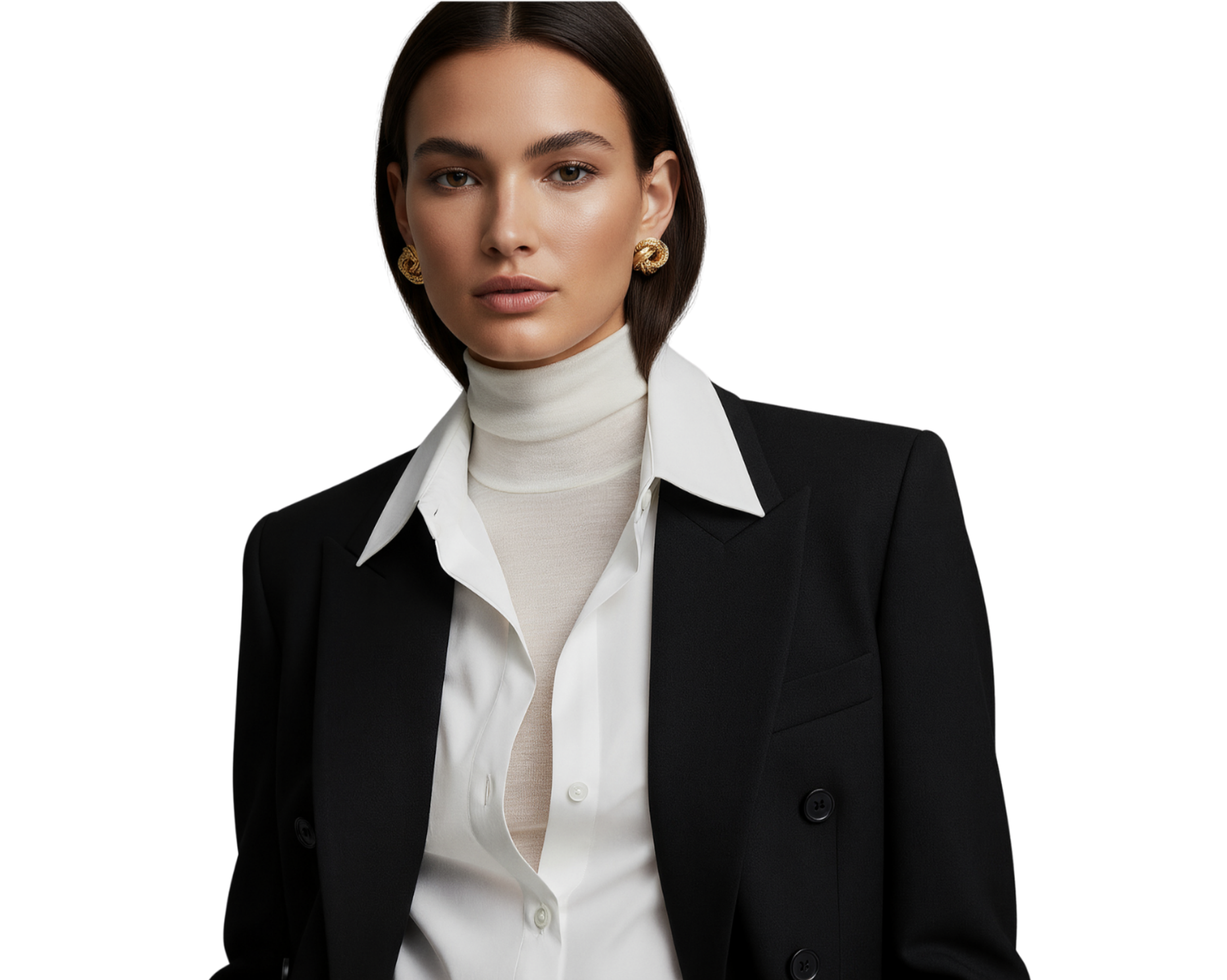
To style it, start with a thin white or ivory turtleneck and treat it as a base layer, not the outfit. Wear it under a crisp shirt and sharply tailored blazer with tailored trousers or a midi skirt to clean up the neckline and sharpen the silhouette instantly. For an even more modern take (and where circumstances allow), layer the turtleneck and shirt under a leather jacket or structured outerwear, keeping the rest of the look neutral and controlled. If you’re working with lighter colors, use a pale turtleneck under cream or beige tailoring to keep soft palettes professional rather than romantic.
The Maestra pick: Intimissimi $65
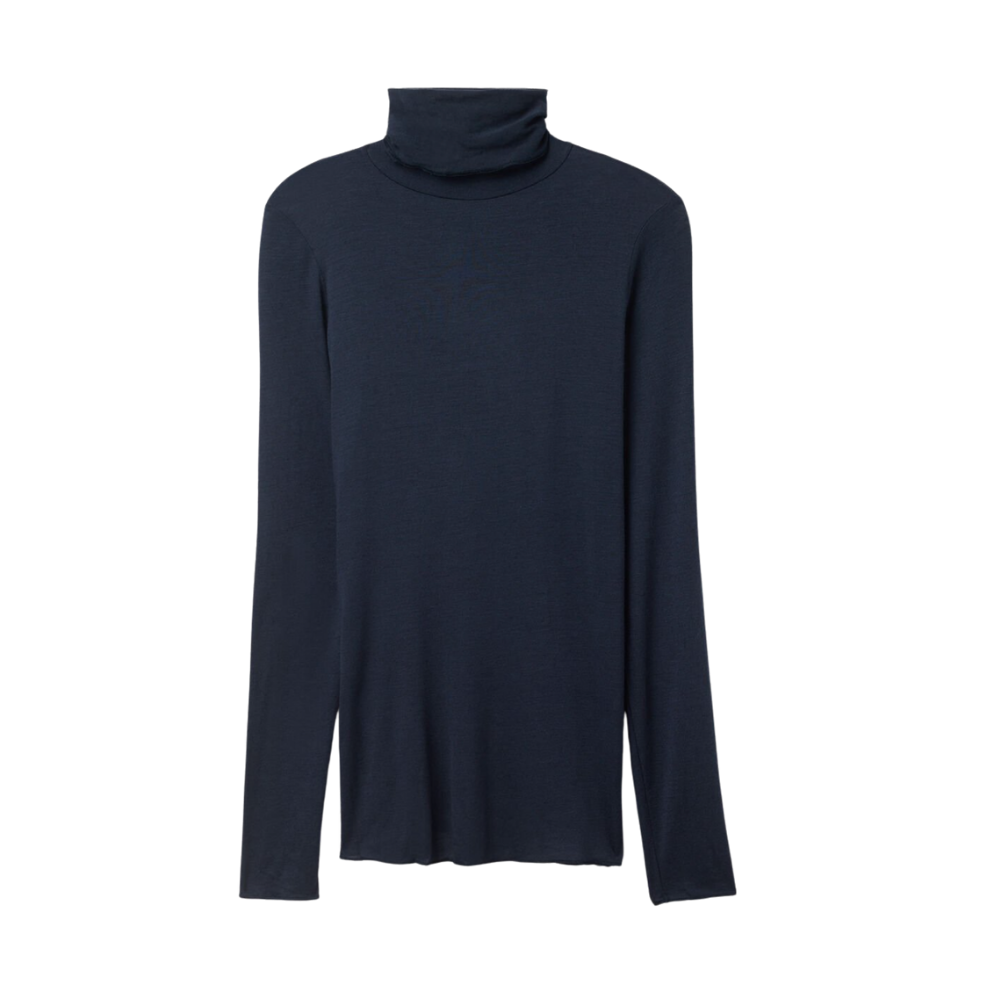
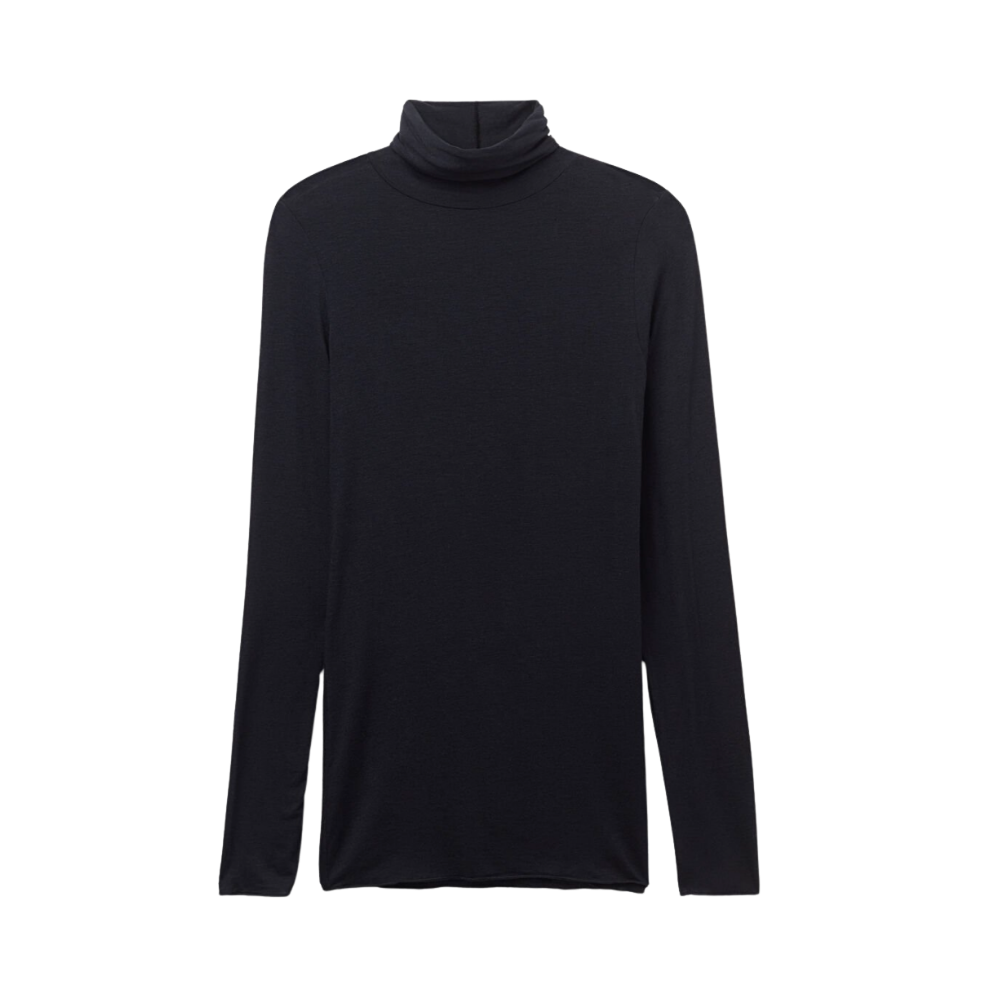
-
KSF
✓ Go thin or don’t bother — second-skin only (stretch jersey, fine cotton, silk-knit).
✓ Keep the neck clean, high, and structured.
✓ Use it to neutralize strong tailoring, leather, or volume.
✓ Let it replace jewelry at the neckline.
✓ Choose white or ivory first; earn black later.
Deal Breakers
❌ No chunky knits or heavy ribbing.
❌ Don’t let the neck collapse, slouch, or wrinkle.
❌ Don’t hide it halfway under lapels or scarves.
❌ Don’t shy away from high color contrast layering. In fact avoid defaulting to tone on tone, that will read too flat.
OUTFIT FORMULAS | Turtleneck