Power Dressing is Moving Upward

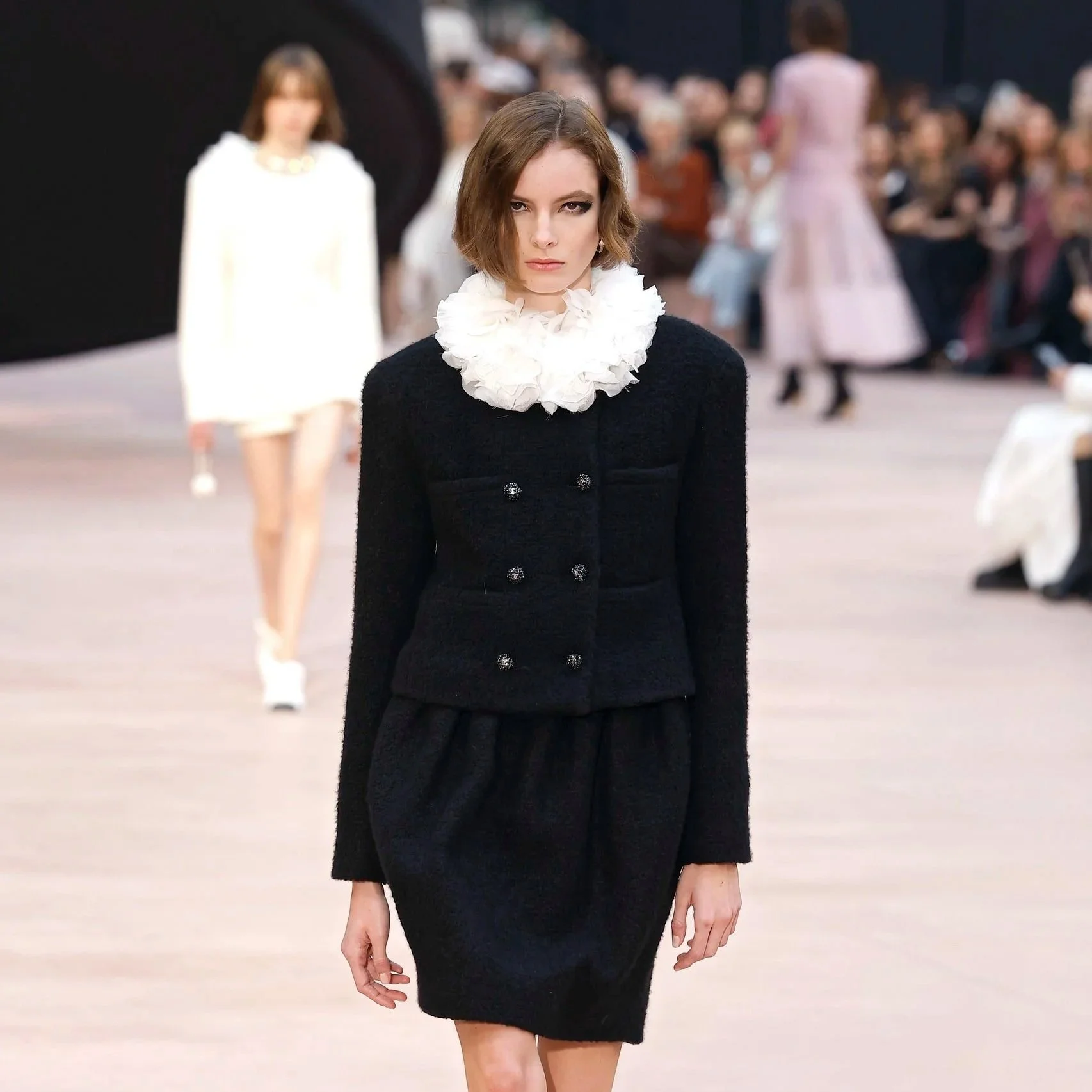
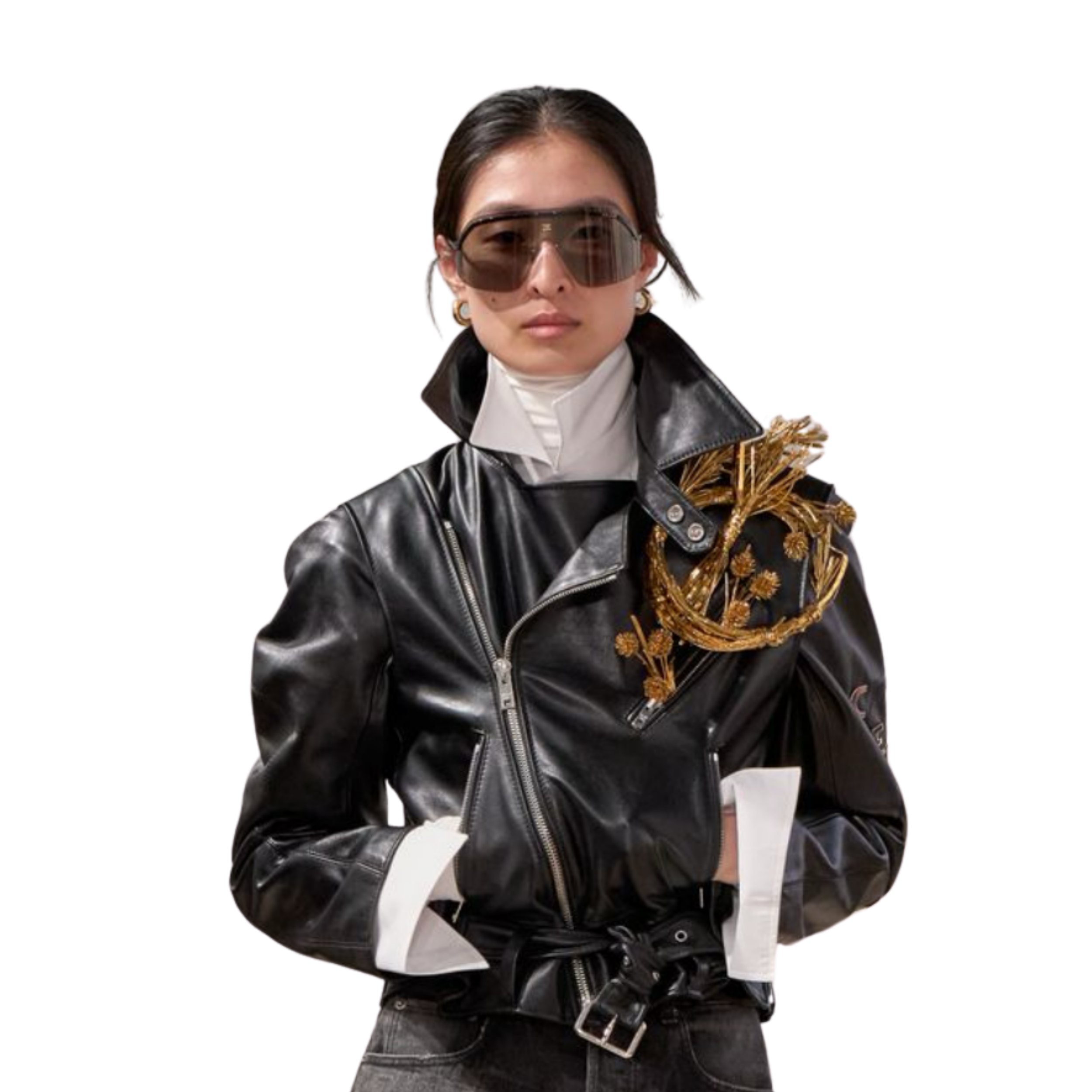
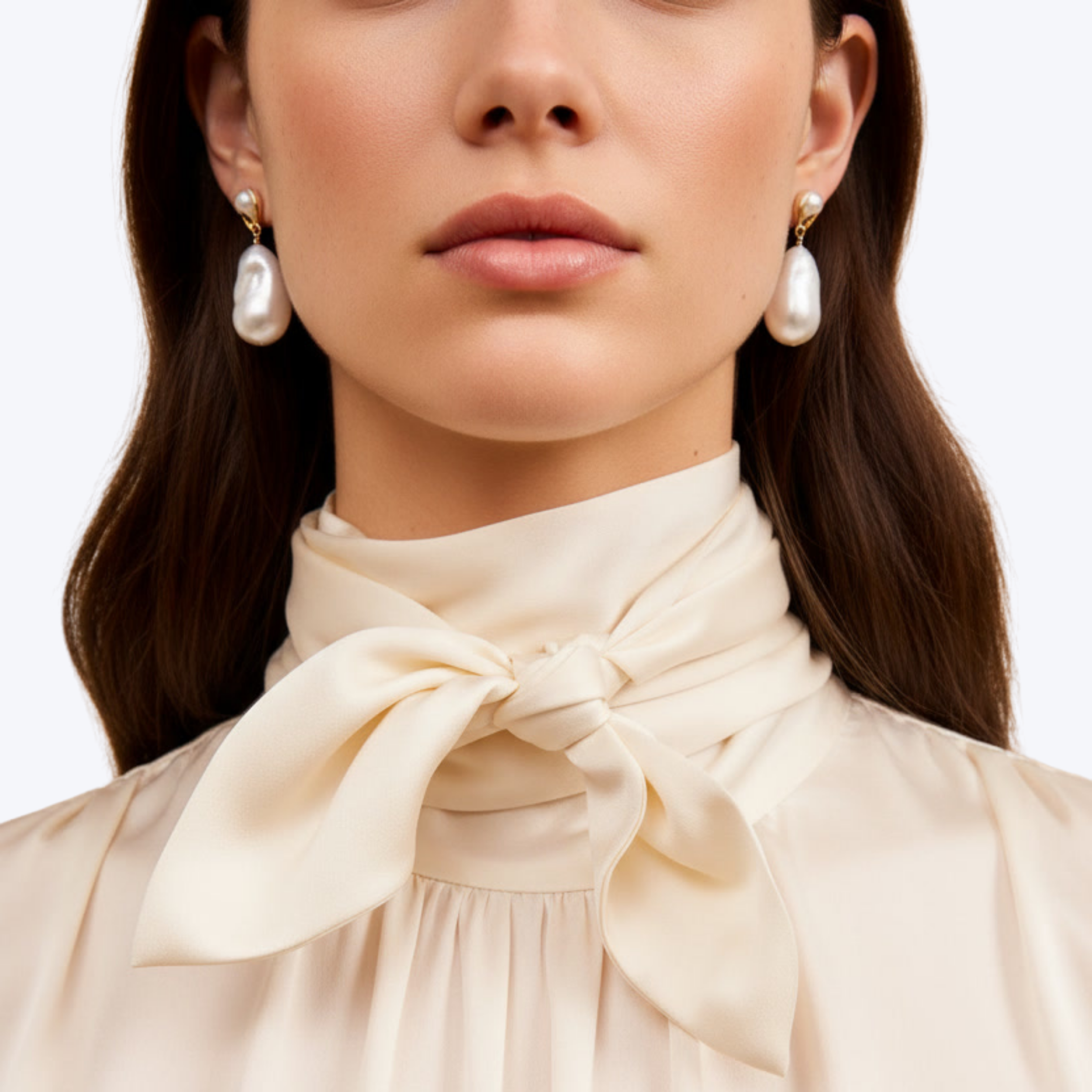
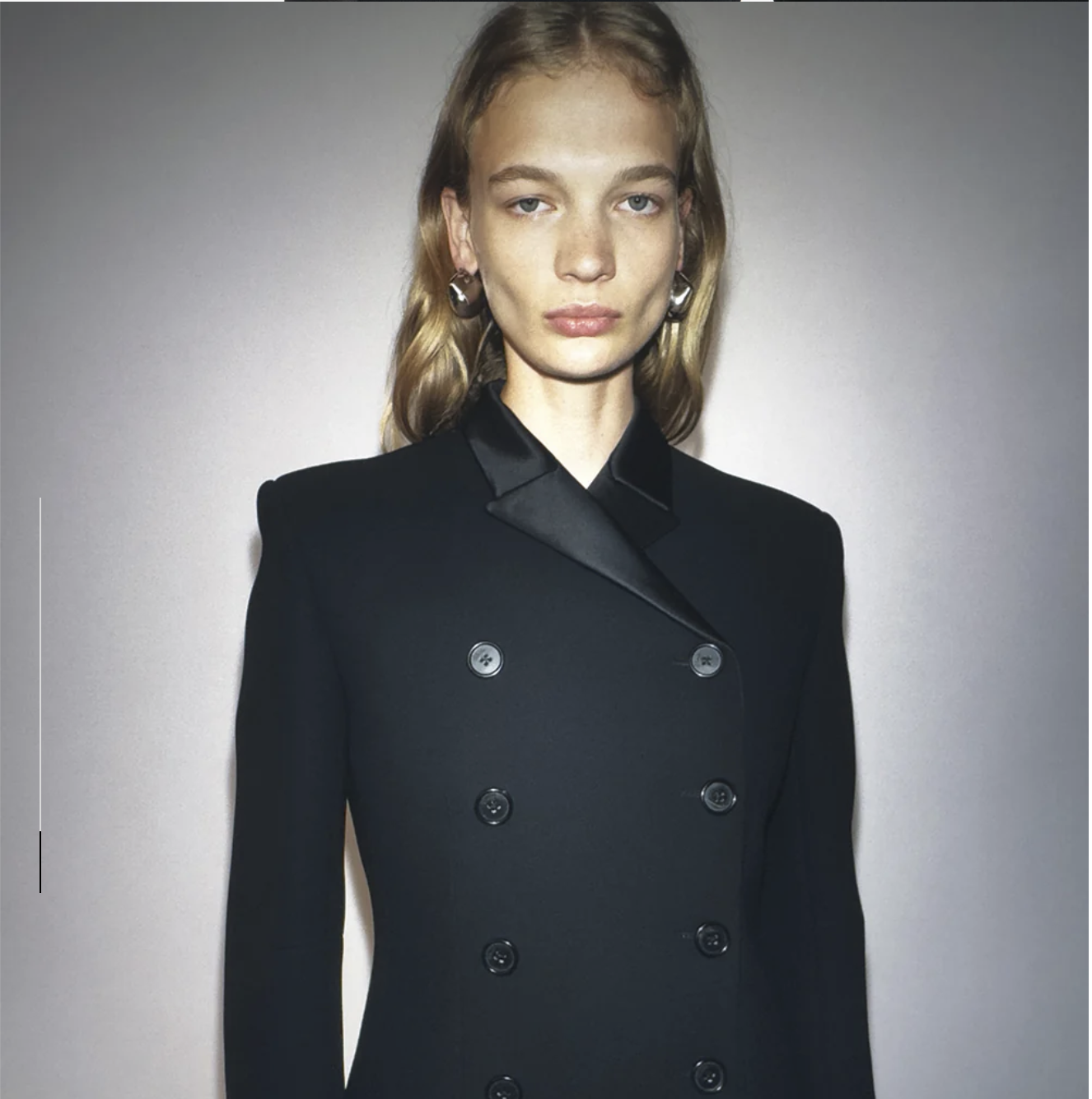
Above (clockwise from left): Chanel FW 2025, Celine SS 2026, Maestra, Khaite SS 2026.

Spend a few minutes looking at recent collections and one detail becomes difficult to ignore: the neckline is rising.

Funnel collars. Turtlenecks. Bow blouses pulled tight at the throat — Dior offering some of the most striking versions. Even blazers are increasingly closing higher.

The gesture appears across tailoring, knitwear, blouses and outerwear. Nothing theatrical about it. But it changes the posture of a garment completely. Close the neckline and the entire silhouette firms up. The face becomes the focal point. The body aligns beneath it. The effect is subtle but unmistakable: the look gains discipline.

Why is this happening?

A Correction to Casualization

For much of the past decade, fashion leaned decisively casual. Open collars. Relaxed shirts. Soft V-necks. Skin at the collarbone.

The circumstances were hardly mysterious. Remote work. Flattened hierarchies. Offices that began to resemble co-working spaces more than institutions. Dress followed the mood.

What is emerging now is a quiet correction: a renewed appetite for dressing with intent. Not a revival of rigid formality, but a more deliberate silhouette. One that hasn’t quite given up.

Closing the neckline is the simplest way to achieve it.

The effect is immediate. The look feels composed before any accessory is added. And it does something else that designers understand perfectly well: it improves posture. A higher neckline naturally pulls the shoulders back and lifts the head.

Strength — sometimes engineered directly into the garment.

Rewriting Feminine Codes
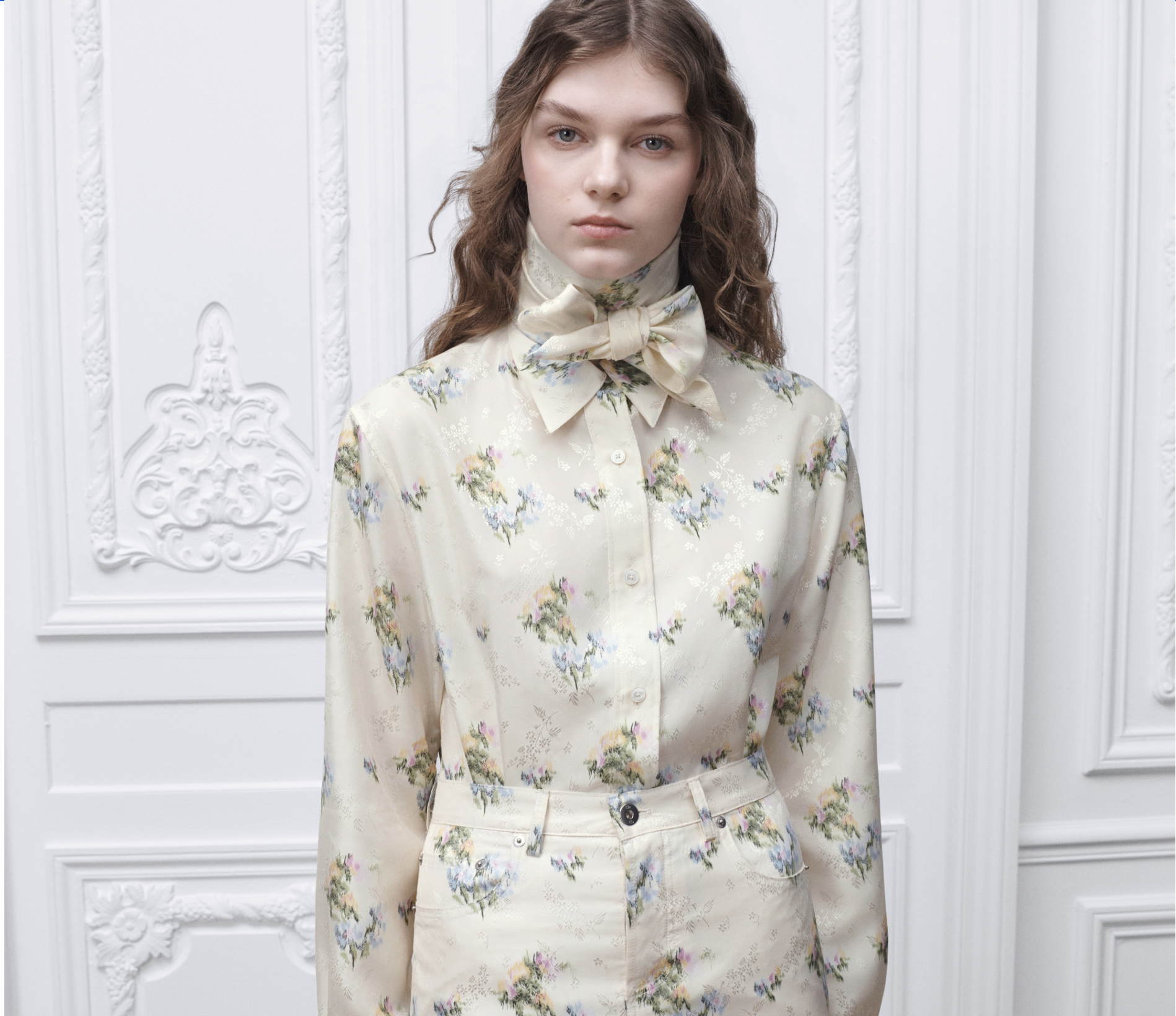
Above: Dior SS 2026.

The high neck is also interesting because of what it refuses to do. It covers. Completely. But the move is not puritanical. Nor is it a rejection of femininity. Quite the opposite. What emerges instead is agency over how femininity is deployed.

Dior under Jonathan Anderson illustrates the point perfectly. The neckline is pulled almost aggressively tight — close enough to feel like a neck corset. Rigid, disciplined. Yet everything around it softens the gesture: fluid fabrics, florals, pale colours and those deliberately sweet bows.

Discipline at the neck. Charm everywhere else. The result is a more intelligent use of feminine codes. The rules are known, then deliberately bent.

Know the codes.
Deconstruct them.
Play with them.
Own the narrative.

The Return of the Face Frame

High necklines also reorganise the visual hierarchy of an outfit.

Lower necklines disperse attention across the torso. Raise the collar and the eye travels upward — straight to the face.

Many current silhouettes reinforce the effect: structured shoulders, architectural collars, statement earrings, hair pulled back from the jawline. The whole construction begins to function like a frame.

There is also a practical logic behind it. Between skincare, dermatology and cosmetic procedures, it has never been easier to have the face you want.

Naturally, the instinct follows: showcase it.

Clothes responding by framing the face more deliberately makes perfect sense.

The outfit becomes a stage set for the face — which, in professional life, is where authority is actually communicated. Speech, expression, eye contact. Everything that matters happens there.

Fashion, as usual, has simply adjusted the spotlight.

The Creative Possibilities of the High Neck

What makes the modern return of the high neckline particularly interesting is that it is not a single look. It is a structural idea.

The neck can close in many ways: a sculptural funnel collar, a severe turtleneck, a sharply buttoned jacket, a bow pulled tight at the throat. Each produces a slightly different expression of authority. That flexibility is precisely what makes the trend exciting for women dressing with intent. The discipline of the closed neckline provides the structure; the variations around it allow for creativity.

In other words, the rule is simple.

What you do with it is where the style begins.

Next
Next

The Hypocrisy of “Maximalism for Work”